
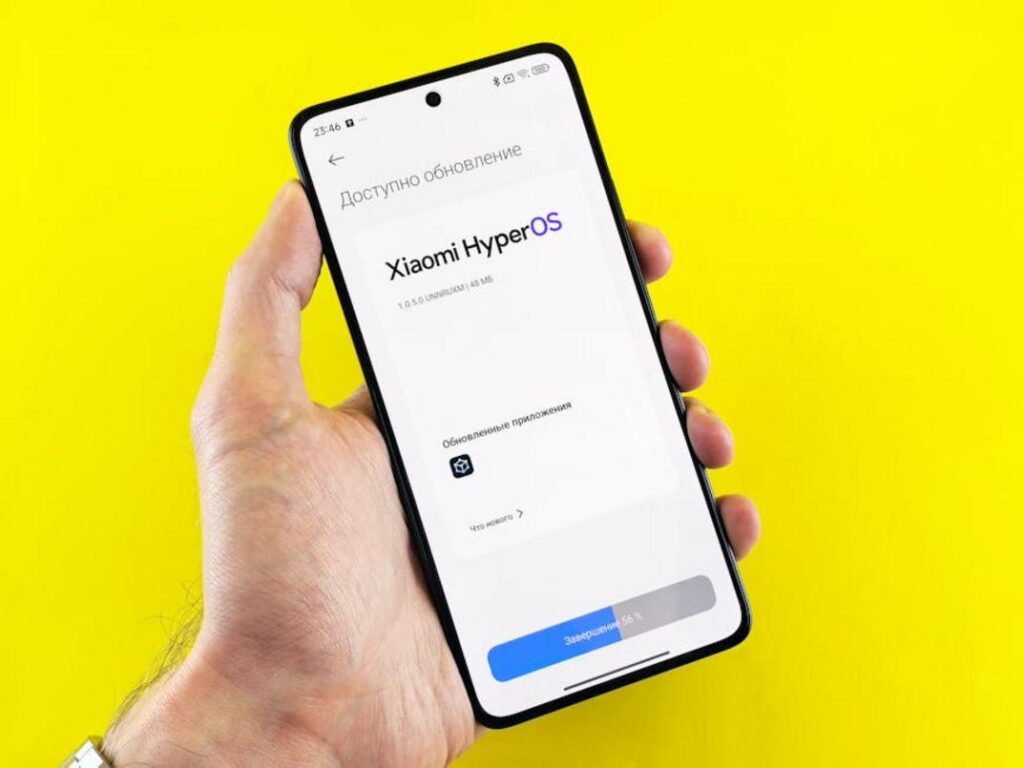
If you’re here, you want more than surface-level gaming news—you want real insight into what’s changing, what’s dominating the meta, and how to gain a competitive edge. This article breaks down the hottest gaming highlights, core mechanics that actually impact performance, evolving multiplayer arena tactics, and the shock-level combat systems reshaping high-stakes matches. We’ll also examine how seasonal game updates are influencing balance changes, weapon viability, and ranked play strategies so you can adapt before your opponents do.
Our analysis is built on hands-on testing, patch note breakdowns, controller optimization trials, and competitive match reviews. Instead of repeating hype, we focus on what works in real gameplay scenarios and why. Whether you’re grinding ranked ladders or refining your mechanics, you’ll find clear, actionable insights designed to sharpen your reaction time, improve tactical decisions, and maximize every match you queue into.
The Ever-Evolving Game: Why Updates Keep You Playing
There’s nothing like logging in and discovering new quests or rebalanced weapons. Yet even great games grow stale; without change, burnout follows and servers empty. That’s where updates matter. Broadly, patches fix bugs, balance updates tweak power levels, and expansions add story or maps. For example, seasonal game updates often introduce limited-time modes that spike player activity (Newzoo reports live-service titles retain players longer).
Some argue constant updates disrupt mastery. Fair point. However, smart cadence prevents stagnation.
| Update Type | Purpose | Impact |
|---|---|---|
| Patch | Fix errors |
Stability |
| Balance | Adjust stats | Fair play |
| Expansion | Add content | Fresh goals |
Decoding the Update Cycle: From Hotfixes to Expansions
A live service game is built for continuous evolution. Instead of launching once and staying static, it receives ongoing updates designed to fix issues, add content, and keep players engaged long term. Think of it less like a finished novel and more like a TV series that keeps dropping new episodes.
Here’s how the release hierarchy typically works:
Hotfixes & Patches are small, rapid updates aimed at urgent problems—game-breaking bugs, exploits, or wildly overpowered weapons. If a multiplayer arena suddenly lets players duplicate currency, a hotfix steps in fast (sometimes within hours). Pro tip: always read patch notes to understand balance shifts before jumping into ranked matches.
Content Drops are smaller additions: cosmetic skins, new gear, or limited-time modes. They maintain excitement between bigger releases and often test new mechanics.
Seasonal Updates arrive quarterly or bi-annually with larger features—battle passes, new arenas, and story progression. Many players refer to these as seasonal game updates because they reset progression tracks and refresh competitive metas.
Finally, Expansions (DLC) are the heavyweight additions. Often paid, they introduce new regions, extended storylines, and sometimes overhaul core systems entirely.
Understanding this cycle helps you decide when to invest time—or money—into the experience.
The Player’s Advantage: How Regular Updates Benefit You
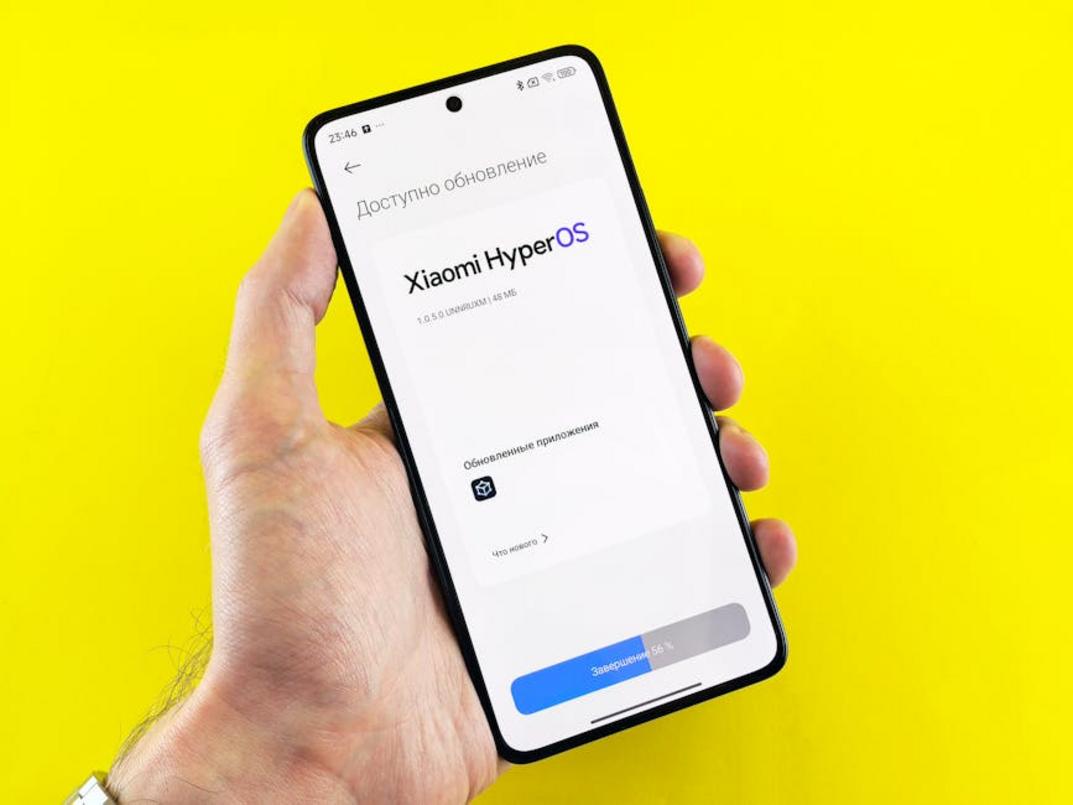
At first glance, constant patches can feel exhausting. Just when you’ve mastered a loadout, everything shifts. However, that shake-up is exactly what keeps competitive multiplayer alive.
A Constantly Fresh Meta
A meta—short for “most effective tactics available”—defines which weapons, abilities, or strategies dominate at a given time. Without tuning, the same builds would rule indefinitely (and we’ve all seen what happens when one overpowered shotgun takes over an entire season). Weapon balancing and ability adjustments prevent stagnation and reward adaptability. In fact, competitive titles like League of Legends and Call of Duty rely on frequent balance patches to sustain player retention and esports viability (Newzoo, 2023).
You might argue that frequent changes punish casual players. Fair point. Yet in practice, evolving metas create learning opportunities and narrow skill gaps over time. What’s next for you? Track patch notes and test tweaks early—small adaptations often produce big ranked gains.
Fixing What’s Broken
Just as important, patches address bugs—those unintended errors in code that cause crashes or shock-level combat system glitches. Stability improvements reduce latency spikes and desync issues, which are critical in precision-based arenas. Developers consistently cite bug-fix updates as key to long-term engagement (GDC State of the Game Industry Report, 2024). In short, smoother gameplay equals fairer fights.
Quality-of-Life and Community Momentum
Beyond content drops, updates refine UI layouts, streamline menu navigation, and include controller optimization tips that shave milliseconds off reactions (pro tip: recalibrate dead zones after major patches). seasonal game updates also introduce limited-time modes and shared challenges. That collective grind fosters momentum—much like the energy seen in the biggest esports tournament highlights and what we learned (https://marshock200.com/biggest-esports-tournament-highlights-and-what-we-learned/).
So, what’s next? Stay informed, experiment early, and treat each update as an edge—not an obstacle.
Behind the Curtain: The Developer’s Live Service Strategy
When comparing traditional one-and-done releases to live service models, the difference is stark. In Scenario A, a studio launches a game, sells copies, and moves on. In Scenario B, developers treat the game as an evolving platform. The priority shifts to player retention—because keeping an existing player is far more cost-effective than acquiring a new one (acquisition costs can be 5x higher, according to Harvard Business Review).
Instead of relying on launch hype alone, live service games deploy periodic updates, including seasonal game updates, to keep engagement high. Think of it as tending a garden versus planting once and hoping for rain. Over time, iterative and responsive design allows teams to refine mechanics using real-world player data. If a weapon dominates the meta, it gets tuned. If matchmaking falters, it’s adjusted. Players see their feedback reflected in patches (and yes, they notice).
Monetization follows a similar A vs B split. Upfront-only pricing caps revenue. Meanwhile, battle passes, cosmetic shops, and DLC create sustainable income streams that fund servers and ongoing development. Finally, there’s brand impact: a static title fades, but a living game becomes a hobby—more MCU saga than standalone film—building loyalty that compounds over years.
Separating Meaningful Content from a Mindless Grind
First, look at the update schedule. A great strategy is consistent and clearly communicated. Roadmaps and detailed patch notes signal respect for your time (and your bandwidth). For example, if a developer outlines balance tweaks, new modes, and bug fixes before launch, you can plan your play sessions instead of logging in blindly.
However, not every update deserves praise. Some players argue that more content—any content—is always good. Not quite. If an update simply stretches progression requirements or locks power behind paywalls, that’s artificial padding. A practical test: ask yourself, “Does this add a new experience, or just extend the checklist?” If it’s the latter, that’s a red flag.
Meanwhile, strong seasonal game updates blend fresh mechanics with thoughtful tuning. They refine matchmaking, rebalance overpowered builds, and address long-standing complaints.
Pro tip: Track patch-to-patch improvements. If feedback loops close quickly, you’re likely playing a game built for longevity—not just grind.
Your Favorite Game Is Always One Patch Away
Games used to ship once and stay frozen. Now, they evolve. In a static model, you bought the disc and hoped for the best; in a live-service model, updates keep rewriting the experience.
On one hand, stagnation meant abandoned metas and unresolved bugs. On the other, seasonal game updates deliver balance tweaks, new maps, and surprise events.
Admittedly, some players prefer the old stability. However, constant iteration means favorite title is always improving rather than fading.
So, check roadmaps, join community threads, and compare patch notes before logging in. You’ll play smarter.
Ready to Dominate the Arena?
You came here to sharpen your edge—understanding hot gaming highlights, mastering core mechanics, refining multiplayer arena tactics, and optimizing your controller for shock-level combat. Now you have the insight to react faster, build smarter strategies, and stay ahead of the competition.
The real pain point isn’t just losing matches—it’s knowing you could’ve played better. Missed combos. Slow reactions. Poor positioning. In competitive arenas, small mistakes cost big wins.
The solution is consistent refinement. Study the meta. Adapt to seasonal game updates. Fine-tune your loadouts. Practice controller optimization until your inputs feel automatic. Winning isn’t accidental—it’s engineered.
If you’re serious about climbing ranks and dominating every match, don’t stop here. Dive deeper into advanced combat breakdowns, stay updated on the latest meta shifts, and apply pro-level tactics to your next session.
Thousands of competitive players rely on our expert breakdowns to level up their performance. Now it’s your turn.
Jump back into the arena, apply what you’ve learned, and start turning close matches into decisive victories today.