

Most competitive players hit a ceiling where faster reactions and sharper aim stop being enough. That’s where timing and positioning strategy separate consistent winners from everyone else. This guide breaks down the science behind elite-level decision-making in shock-level combat systems and multiplayer arenas, showing you how to move beyond instinct and into calculated control. If you’re stuck losing to smarter opponents despite solid mechanics, you’ll find the shift you need here. Drawing from thousands of hours analyzing arena flow and high-intensity engagements, we reveal how to think two steps ahead, control space, and dictate the pace of every fight.
The Foundational Pillars of Tactical Play
Mastering the trifecta of timing, positioning, and precision not only elevates your gameplay but also lays the groundwork for the kind of jaw-dropping moments showcased in our article on Viral Gameplay Clips That Redefined Skill Ceilings.
Mastering tactical combat starts with three core ideas. They sound simple. They aren’t.
Pillar 1: Spacing
Spacing means controlling your effective range—the distance where your weapon is accurate and threatening—versus your opponent’s. In theory, you stay just outside their optimal range while remaining inside yours. In practice? Latency, map clutter, and human error blur that line. I won’t pretend there’s a perfect formula. Still, watch high-level matches and you’ll see players constantly micro-adjusting distance (like a tense standoff in a Western).
Pillar 2: Cover
Not all cover is equal:
- Hard cover: fully blocks damage.
- Soft cover: can be penetrated or destroyed.
Using angles matters more than hugging walls. The goal is minimizing exposed hitbox while keeping vision. Some argue aggressive peeking wins more fights—and sometimes it does. But over time, disciplined angle control reduces risk.
Pillar 3: High Ground
Verticality improves sightlines and creates psychological pressure. Enemies must look up, adjust aim, and expose themselves. Is high ground always superior? Not entirely—confined ceilings and flanking routes can neutralize it. Still, elevation usually dictates engagements.
Practical Drill
Enter training mode. For 10 minutes, practice movement only. No shooting. Focus on timing and positioning strategy while rotating between spacing, cover, and elevation.
Pro tip: Record your session. You’ll notice positioning errors you never felt in the moment.
Dominating the Map: Predictive Placement and Rotations
Reading the Flow
In the first two minutes of any match, stop chasing kills and start gathering data. Where are footsteps clustering? Which lanes see the first skirmishes? Most arena maps funnel players through high-traffic corridors (main routes connecting objectives) and choke points (tight spaces that restrict movement and force fights).
Actionable steps:
- Spawn and note the fastest path to mid-map.
- Watch where teammates die (the kill feed is free intel).
- Identify one power position overlooking a choke.
In games like Halo or Apex-style arenas, 60–70% of early eliminations happen near central objectives (common competitive stat trends across arena shooters). That’s not random—that’s map design.
The Power of Prediction
Prediction beats reaction. Track objective timers, respawn waves, and power weapon spawns. If rockets spawn at 2:00, rotate at 1:45. Set up crossfire angles before enemies arrive.
This is timing and positioning strategy in action.
Some players argue, “Just rely on aim.” Sure—mechanics matter (and if you need a refresher, review understanding core game mechanics a complete beginner guide). But even perfect aim loses to someone pre-aiming the doorway you must enter. (Ever walked into a sniper already scoped in? Exactly.)
Pro tip: Pre-aim head height at likely entry points. You cut reaction time dramatically.
Effective Rotations
Trading space for time means giving up ground to gain a better fight later. If you lose mid-control, don’t stagger in one by one. Rotate wide, regroup, and retake with numbers.
Case Study
Poor rotation: A team loses control of high ground and trickles back individually—result? Three quick eliminations.
Smart rotation: They fall back, flank through a low-traffic lane, and pinch during the next objective spawn. Same map. Different outcome. That’s dominance.
The Art of the Ambush: Timing Your Shock-Level Assault
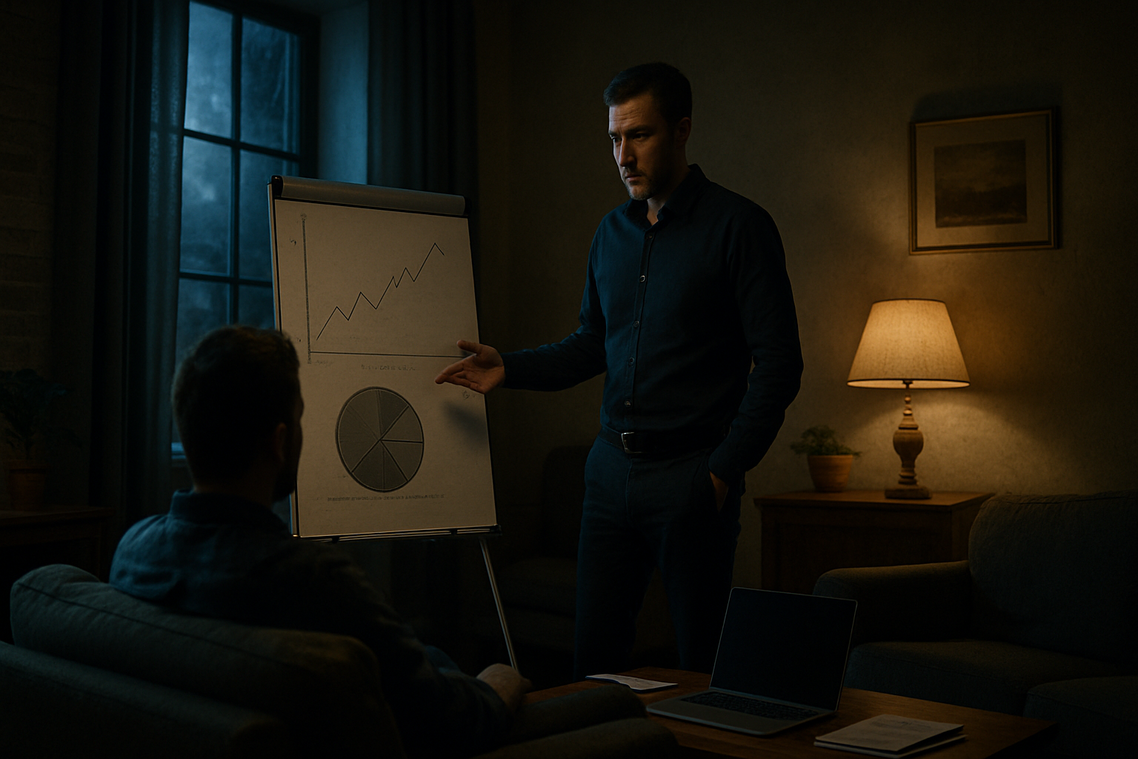
I used to think ambushes were all about reflexes. If I saw an opening, I dove in. More often than not, I got melted. What I learned—after too many respawn screens—is that shock-level combat rewards patience, not panic.
First, understand engagement timers. Cooldowns are the hidden clocks governing every fight. An ability cooldown is the reset period before a skill can be used again. Track yours, but more importantly, track theirs. I once pushed a tank who had just burned their shield—except I miscounted by two seconds. That shield came back online, and so did my trip to spectator mode. Since then, I wait for confirmed vulnerability before committing.
Next comes the “Sound & Fury” tactic. Audio cues—like reload clicks, ability activations, or environmental explosions—can mask your footsteps. However, I learned the hard way that random noise isn’t enough. You need deliberate chaos. Toss an explosive, rotate wide, then strike from the blind angle (think less action-hero sprint, more calculated predator).
Then there’s coordination. A simple “3-2-1” countdown transformed my squad’s messy dives into clean wipes. Without it, we staggered in and fed eliminations. With it, we synchronized burst damage and overwhelmed targets instantly. Timing and positioning strategy wins fights long before the first shot lands.
Finally, baiting and punishing. Overextending means pushing too far without support. I used to chase weak enemies. Now, I pretend to retreat and let them chase me. They step out. We collapse. Why force the mistake when you can invite it?
Fine-Tuning Your Controller for Perfect Execution
Sensitivity is personal, but the principles are universal. Hip-fire sensitivity (how fast your camera turns without aiming down sights) should feel quick enough for 180-degree reactions, while ADS sensitivity (aim down sights) must stay steady for pixel-precise shots. Lower ADS often improves accuracy because it reduces overcorrection (think less “flailing,” more “laser pointer”). The benefit? Faster target acquisition and tighter tracking—no more losing duels you should win.
Next, optimize your deadzones. A deadzone is the small area your analog stick can move without registering input. Lowering it increases responsiveness, meaning your aim reacts instantly instead of feeling delayed. However, set it too low and you’ll get stick drift (the dreaded ghost movement). The sweet spot gives you snappier control and smoother micro-adjustments.
Then there’s response curves. Linear curves provide one-to-one input, building consistent muscle memory. Exponential curves start slow and ramp up, helping with fine aim while retaining quick turns. Choosing wisely improves aim assist synergy and overall placement consistency.
Finally, remap buttons. Moving jump or slide to paddles or bumpers lets you aim while maneuvering. Use timing and positioning strategy. The payoff? Cleaner engagements, smarter peeks, and more wins when it counts.
From Theory to Victory: Your New Tactical Loop
You came here to stop losing fights you should have won — and now you have the framework to do exactly that. By focusing on timing and positioning strategy, you eliminate the guesswork that keeps players stuck at their skill ceiling. No more chaotic engagements. No more wondering why you lost. Just deliberate map control, smarter engagement windows, and optimized execution.
The next step is simple: queue up and apply one principle immediately. Master it before moving to the next. That’s how real improvement compounds.
Stop playing on autopilot. Take control of the arena and start turning smart decisions into consistent victories today.