
If you’re here, you’re looking for more than surface-level gaming news. You want sharp insights into the hottest highlights, a deeper understanding of core mechanics, and real strategies you can apply the next time you drop into a multiplayer arena. This article delivers exactly that.
We break down what’s driving today’s most talked-about titles—from evolving metas and arena tactics to the design philosophy behind impactful combat systems that keep players locked in. You’ll discover how shock-level encounters are structured, why certain mechanics dominate competitive play, and how small controller optimization tweaks can dramatically elevate performance.
Our analysis is grounded in hands-on gameplay evaluation, mechanical breakdowns, and close tracking of competitive trends. Instead of recycled patch notes or hype, you’ll get practical insights you can use immediately—whether you’re climbing ranked ladders or mastering advanced combat techniques.
Let’s dive into what’s shaping the battlefield right now—and how you can stay ahead of it.
The Core Loop: Player Input, Responsiveness, and Feedback
Sub-second responsiveness isn’t a luxury; it’s oxygen. Input lag (the delay between pressing a button and seeing the action) suffocates immersion when it creeps past a few milliseconds. Players can feel it—the swing that lands a heartbeat too late, the dodge that should’ve saved them. Animation startup frames—the first frames before an attack becomes active—must be tuned with surgical precision. Too long, and combat feels sluggish; too short, and it feels weightless. Even controller optimization matters, from dead zone calibration to trigger sensitivity (pro tip: reduce excessive dead zones for tighter melee control).
Visual Feedback: Power You Can See
Few tools are as potent as hit-stop—a split-second freeze on impact. That micro-pause makes a sword strike feel bone-rattling instead of airy. Add sharp particle bursts, sparks cascading like shattered glass, and a brief screen shake, and suddenly the blow thunders. Visual cues confirm success: flashing damage numbers, stagger animations, or a shield crack effect. Without them, players question if they connected at all (and nothing kills momentum faster).
Audio and Haptics: What You Hear and Feel
Sound is the unsung architect of intuitive flow. A crisp “tick” for a parry, a bass-heavy crunch for a heavy attack, a hollow clang for a block—distinct audio telegraphs outcome instantly. Research shows multisensory feedback improves reaction time and engagement (Spence, 2011). Layer in haptic feedback—controller vibration that pulses on impact or jolts during a special move—and the action travels from screen to skin.
The result? Impactful combat systems that feel alive, especially when designing high stakes boss battles that test skill (https://marshock200.com/designing-high-stakes-boss-battles-that-test-skill/).
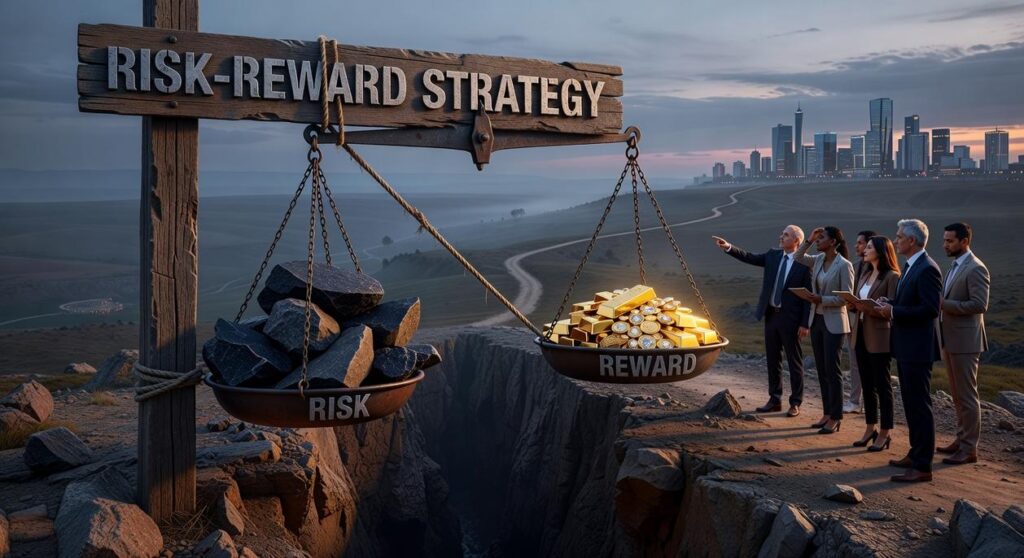
Strategic Depth: Crafting Meaningful Risk and Reward

Great combat isn’t about button-mashing; it’s about decision-making under pressure. The Stamina System is the backbone of that philosophy. Stamina— a finite resource governing actions like dodging, attacking, and blocking—forces players to think before they swing. Some argue stamina slows the pace and makes combat feel restrictive. But that “restriction” creates rhythm. When every roll or heavy strike costs something, reckless play gets punished (as it should), and deliberate timing becomes king.
Animation Commitment deepens this tension. High-damage attacks often lock players into longer animations, meaning you’re vulnerable if you miss. Critics say this feels clunky compared to fast, cancel-heavy action games. Yet that weight is the point. Choosing between a slow, devastating blow and a quick jab is a tactical gamble. Animation canceling—interrupting one action into another—adds advanced skill expression, rewarding mastery without undermining balance.
Then there’s the Parry/Counter Mechanic: a high-risk, game-changing reward system. A perfectly timed defensive input can stagger an opponent and swing momentum instantly. Detractors claim parries are frustrating when windows feel tight. True—but reading patterns and executing under pressure is what separates casual play from mastery (think of it as the fighting game equivalent of a last-second three-pointer).
Finally, Stagger and Poise systems create explosive payoff moments. Building enough pressure to break an enemy’s guard opens a brief damage window, encouraging aggressive—but calculated—play. Together, these impactful combat systems transform fights into layered mind games rather than shallow spectacle.
Designing ‘Shock-Level’ Impact: Special Moves and Finishers
Building the Power Meter: Earning the “Big Moment”
A Power Meter is a visible resource that fills through successful play—clean combos, perfect parries, objective control. In competitive arena fighters from Seoul PC bangs to EVO’s Las Vegas main stage, this meter represents earned momentum. Some argue instant-cast ultimates keep matches explosive. But without buildup, spectacle feels cheap. When players grind for that “Big Moment,” the payoff lands harder (like landing a last-stock Smash Final). Pro tip: tie meter gain to high-skill actions, not passive damage taken, to reward mastery.
Contextual Finishers and Environmental Kills
Contextual Finishers are unique takedowns triggered by position—near a ledge, wall, or destructible prop. Environmental Kills fold the arena into your toolkit. Think corner wall-splats in 2D fighters or ring-outs in Tokyo arcade cabinets. Critics say these mechanics reduce competitive purity. Yet when balanced with clear telegraphs, they create dynamic, replay-worthy encounters and elevate impactful combat systems beyond flat hit-trading.
The Role of Super Armor
Super Armor—temporary resistance to interruption—creates tactical spikes. You can’t flinch a charging juggernaut; you must reposition, bait, or counter-grab. It forces respect.
Cinematic Flair without Losing Control
Flashy animations sell power, but input buffering and cancel windows preserve responsiveness. Spectacle should amplify agency, not steal it.
Scaling for Chaos: Adapting Mechanics for Multiplayer Arenas
In competitive arena metas—think late-night ranked queues on NA servers—Crowd Control (CC) mechanics define tempo. Crowd Control (CC) refers to stuns, roots, and slows that limit player movement or actions. When chained correctly, they enable focus fire (yes, the classic “delete the carry” callout). However, some argue heavy CC reduces skill expression. Fair—but without it, coordinated team play collapses into button-mashing chaos.
Meanwhile, target priority evolves around tanks absorbing burst, DPS (damage per second) securing eliminations, and supports sustaining momentum. Area of Effect (AoE) damage controls space; single-target burst removes threats. Balanced systems—especially impactful combat systems—force meaningful trade-offs.
Dominate the Arena with Smarter Strategy and Precision
You came here to sharpen your edge—whether that means mastering hot gaming highlights, refining your arena tactics, or finally gaining control over those high-pressure multiplayer battles. Now you understand how core mechanics, impactful combat systems, and controller optimization all work together to separate average players from true competitors.
The frustration of losing close matches, misreading enemy patterns, or feeling outmatched in shock-level encounters doesn’t have to continue. With the right tactical adjustments and a deeper grasp of combat flow, you can turn every engagement into a calculated advantage.
The next move is yours. Put these strategies into practice, refine your loadouts, and commit to mastering the mechanics that win fights. Thousands of competitive players trust our expert breakdowns to level up faster—now it’s your turn. Jump back into the arena, apply what you’ve learned, and start winning with confidence.