
If you’ve been grinding match after match but still can’t break past your current rank, you’re not alone. Many players hit a frustrating plateau where more playtime doesn’t translate into more wins. The difference between casual competitors and Apex-level performers isn’t just talent — it’s structure, discipline, and refined competitive gaming strategies.
This guide goes beyond generic tips and gives you a concrete framework to elevate your gameplay. We’ll break down the exact methods top-tier players use to dominate, from sharpening mechanics and optimizing decision-making to building a resilient competitive mindset. By the end, you’ll have a clear, actionable roadmap to climb ranks and win more high-stakes matches.
Beyond Button Mashing: Deconstructing Core Mechanics
The Foundation of Skill
Raw talent is overrated. Fundamentals win matches. Core mechanics—the repeatable inputs that govern aiming, movement, and ability timing—are the FOUNDATION of competitive play. You can memorize maps and meta picks all day, but if your mechanics crumble under pressure, so will your rank. Some argue that game sense matters more than aim. They’re not wrong—positioning and awareness do swing fights. But without mechanical consistency, good decisions go unexecuted (and that’s how highlight clips happen to you).
Precision and Aim
Start with crosshair placement: keep it at head level where enemies are most likely to appear. This minimizes adjustment time—measured in milliseconds that decide duels. Practice flick shots in short, focused drills (10–15 minutes) using aim trainers or in-game deathmatch modes. Adjust DPI and in-game sensitivity until you can do a full 180° turn comfortably without lifting your mouse twice. Research suggests lower sensitivities improve accuracy for many FPS players (Soukoreff & MacKenzie, 2004). Pro tip: consistency beats constant tweaking—lock settings for two weeks before changing them.
Movement Mastery
Advanced movement—strafing, slide-canceling, abusing peeker’s advantage (a networking delay that favors the aggressor)—makes you unpredictable. An unpredictable target survives longer. Practice counter-strafing to reset accuracy instantly. Think less “run and gun,” more controlled bursts (channel your inner action-movie tactician).
Ability and Resource Management
Cooldown trading—exchanging abilities strategically rather than dumping them—separates chaos from control. Use abilities for:
- Information gathering
- Area denial and objective pressure
Not every ability needs a kill; some secure space. That’s the backbone of competitive gaming strategies.
The Arena is Your Chessboard: Advanced Multiplayer Tactics
Step into any multiplayer arena and you’re not just fighting—you’re playing chess at 200 miles per hour. Map control is your grip on the board. High ground, choke points, and flanking routes aren’t random terrain; they’re rooks and bishops dictating movement. Take controlling “Mid” on Dust II in CS:GO. Own Mid, and you slice the map in half, forcing rotations and starving opponents of safe passage. Some argue raw aim wins games—and yes, mechanics matter—but without positional leverage, even the sharpest aim becomes a lone knight charging into a wall (heroic, but doomed).
Information warfare is your scouting report. Communication turns chaos into choreography. Effective callouts are short, sharp, and actionable: “Enemy, low HP, behind the pillar.” Think of it like calling plays in basketball—too vague and the opportunity slips away. Overloading comms, however, is like five GPS voices shouting directions (no one arrives on time).
Synergy and role specialization transform five individuals into a system. The Entry creates space, the Support sustains pressure, and the Anchor locks down territory. Some players resist roles, believing flexibility equals freedom. In reality, structure unlocks creativity—like a jazz band riffing within rhythm.
Finally, economic and ultimate management is long-term investing inside a short match. Saving credits or stacking ultimates sets up decisive rounds. Blow everything early, and you’re broke at the boss fight (we’ve all seen that movie).
Master these layers and you’re not just reacting—you’re orchestrating competitive gaming strategies in the section once exactly as it is given, turning the arena into your board and every move into checkmate.
Winning the “Shock-Level” Moments: High-Pressure Decision Making
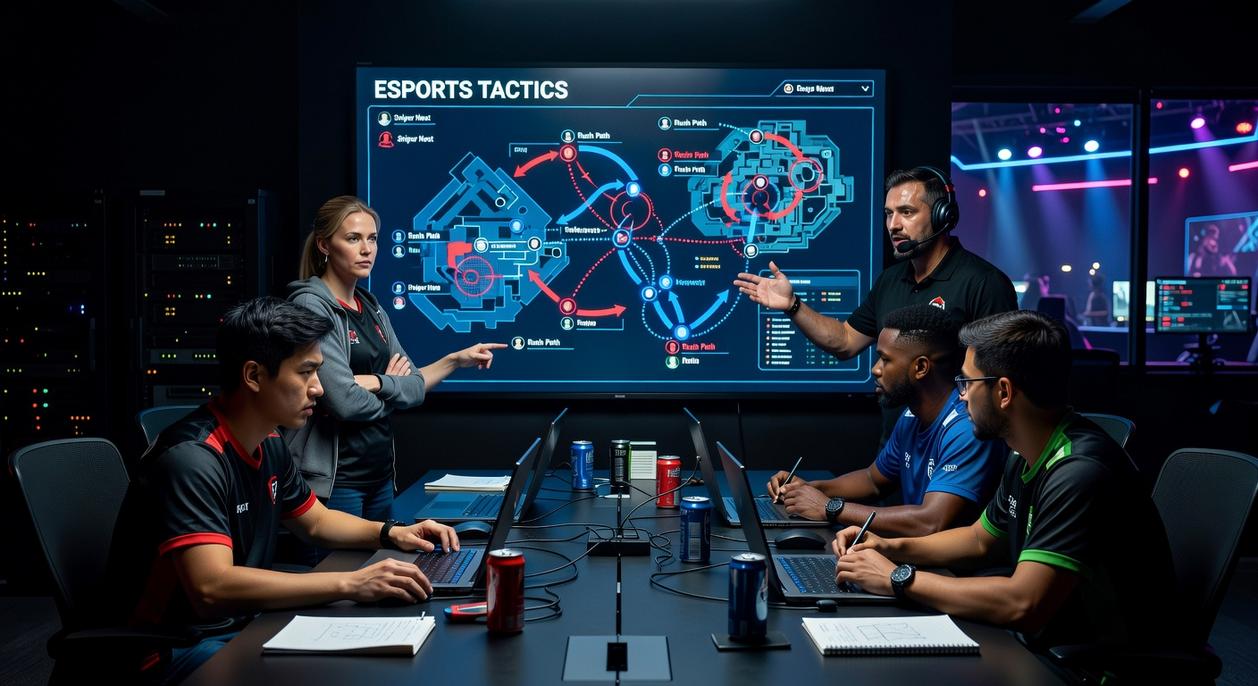
Shock-level moments separate casual players from closers. The psychology of the clutch starts with emotional regulation—your ability to stay calm under stress (think Serena Williams saving match point). First, narrow your focus to the immediate objective: one clean combo, one smart rotation, one safe clear. Don’t project outcomes; execute the next action.
Next, use a simple risk vs. reward filter. Ask: If this fails, do I instantly lose? If yes, play defensively and wait for an error. If no—and the upside swings momentum—push aggressively. This mirrors the logic behind how risk reward systems shape smart gameplay decisions. In tight rounds, favor guaranteed value over flashy plays (highlight reels don’t win tournaments).
However, if your strategy stalls, pivot fast. Track opponent cooldown habits, spacing patterns, and panic options. When something isn’t working, adjust tempo or positioning immediately. Stubbornness loses games.
Finally, bait and condition. Show a repeated defensive dodge, then counterattack the fourth time. Train expectations—then break them. That’s the essence of competitive gaming strategies.
Pro tip: breathe out slowly before key engagements; controlled breathing sharpens reaction time (National Library of Medicine, 2017). In pressure moments, clarity beats chaos.
Optimizing your arsenal means tuning gear, settings, and habits for measurable gains. Start with controller and peripheral optimization: lower dead zones, map jump or slide to back paddles, and set mouse DPI between 400–800 with in-game sensitivity adjusted for a 180° turn in one swipe. Test changes in five-match blocks.
For graphics and audio settings, prioritize FPS over visuals: disable motion blur, lower shadows, enable performance mode, and boost footsteps with a high-frequency EQ preset.
Build structured practice:
- 10 minutes aim trainer drills
- 20 minutes scenario reps
- 15 minutes VOD review
These competitive gaming strategies create consistent improvement.
Your Path to Consistent Victory
You came here to find a real path forward—and now you have the pillars that matter: sharper mechanics, smarter decisions, and an unshakable mindset. If you’ve been stuck on a frustrating plateau, you know the pain isn’t effort—it’s unfocused effort. More matches won’t fix what deliberate practice can.
By applying these competitive gaming strategies, you stop reacting and start controlling the pace, pressure, and outcome of every match.
Now take action: choose one tactic—refine your callouts or master a movement technique—and commit to it for your next five games. Players who train with structure win more. Start today and turn practice into progress.