If you’re searching for deeper insight into today’s hottest gaming highlights, refined core mechanics, and smarter multiplayer arena tactics, you’re in the right place. This article is built for players who don’t just want surface-level tips—they want a competitive edge. Whether you’re mastering shock-level combat systems or fine-tuning your controller optimization for faster response times, we break down what actually impacts performance in real matches.
Our approach is grounded in hands-on testing, high-level match breakdowns, and pro gameplay analysis that isolates the mechanics separating average players from elite competitors. Instead of generic advice, you’ll get strategic insights drawn from real in-game scenarios, meta shifts, and advanced combat decision-making.
By the end, you’ll understand not only what works in today’s arena environments, but why it works—and how to apply it immediately to elevate your gameplay.
Deconstructing the Core: How to Analyze Foundational Mechanics
When people talk about a game’s core mechanics, they’re really talking about the repeating engine that drives player behavior. The first step is identifying the core loop—the sequence of actions players perform again and again. Think: Explore → Fight → Loot → Upgrade. A core loop is simply a repeatable cycle that fuels progression. To diagram it, write each action in a circle and draw arrows showing how one leads to the next. If the loop breaks, the game often feels aimless.
Next, clarify player agency—the meaningful choices available. Designers express this through “verbs,” meaning the actions a player can take: jump, shoot, trade, persuade. When verbs interact (for example, stealth + hacking), they create layered decisions instead of one-note solutions. This is where pro gameplay analysis in the section once exactly as it is given becomes valuable: it forces you to examine how verbs combine, not just how they function alone.
Now look at resource and economy systems. Resources include ammo, mana, currency, or crafting parts. A tight economy (scarce supplies) creates tension; a generous one encourages experimentation (think Doom vs. survival horror). According to research on game reward systems, scarcity increases perceived value (Hamari et al., 2017).
Finally, assess risk vs. reward mechanics:
- Spend rare currency for a temporary buff?
- Take a harder route for better loot?
Some argue players just want power fantasies, not hard choices. But meaningful tension is what transforms repetition into strategy (and keeps players from button-mashing through content).
Anatomy of Combat: Analyzing Shock-Level Systems and Encounters
Decoding the Action-Reaction Flow
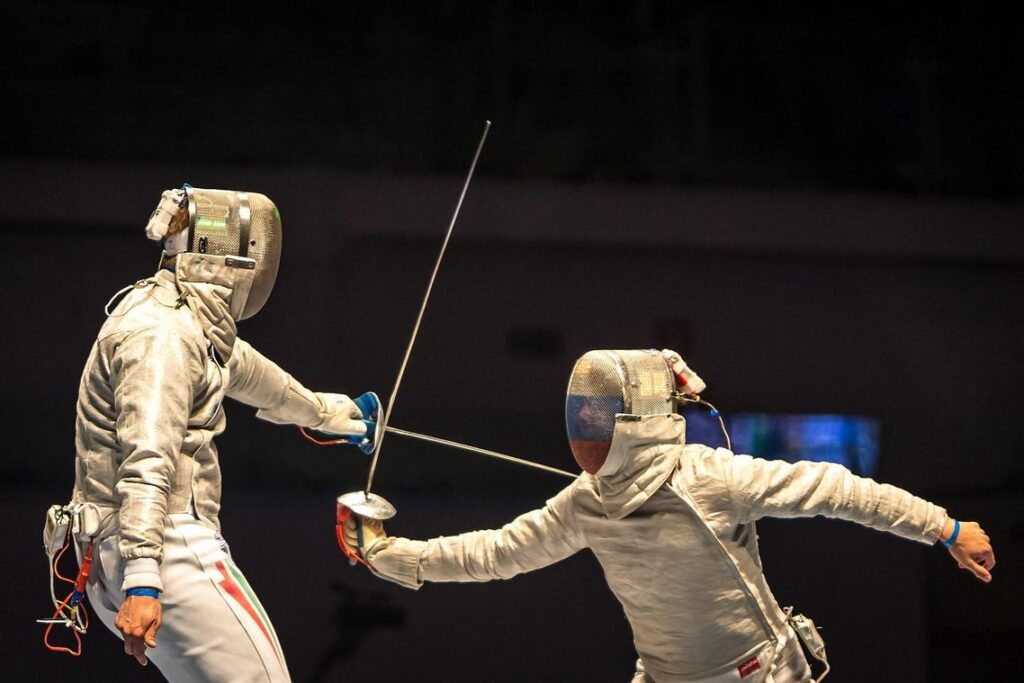
At its core, combat is an action-reaction loop: the player attacks, the enemy responds, and the player counters with a defensive option like a parry (a timed deflection that negates damage), dodge (position-based avoidance), or block (damage mitigation). Some argue that modern systems overcomplicate this with layered mechanics. But complexity isn’t the enemy—opacity is. When reactions are readable, players enter a rhythm that feels closer to chess than button-mashing (and yes, sometimes it feels like a fighting game anime showdown).
Impact and Game Feel
Game feel refers to the sensory feedback—hit stun (brief enemy stagger), screen shake, bass-heavy sound cues—that sells impact. Critics claim these are cosmetic flourishes. Yet studies on player immersion show responsive audiovisual feedback increases engagement and perceived control (Denisova & Cairns, 2015). Weighty combat isn’t about damage numbers; it’s about convincing your brain the hit mattered.
Special Moves and Cooldowns
Cooldowns (timers limiting ability reuse) quietly dictate pacing. Long ultimates slow engagements into calculated bursts; short cooldowns favor aggression. In pro gameplay analysis, you’ll often see elite players bait cooldowns first—because once resources are spent, tempo swings decisively.
Enemy Design as a Teaching Tool
Tanks test stamina management. Glass cannons punish hesitation. Support units demand target prioritization. Some players prefer “fair” mirror fights, arguing role-based enemies feel artificial. But asymmetry forces mastery. It’s the same principle behind a precise frame by frame analysis of clutch competitive moments—every encounter teaches, if you’re paying attention.
The Multiplayer Arena: Tactics, Team Play, and Meta Analysis
Map Control and Positional Strategy
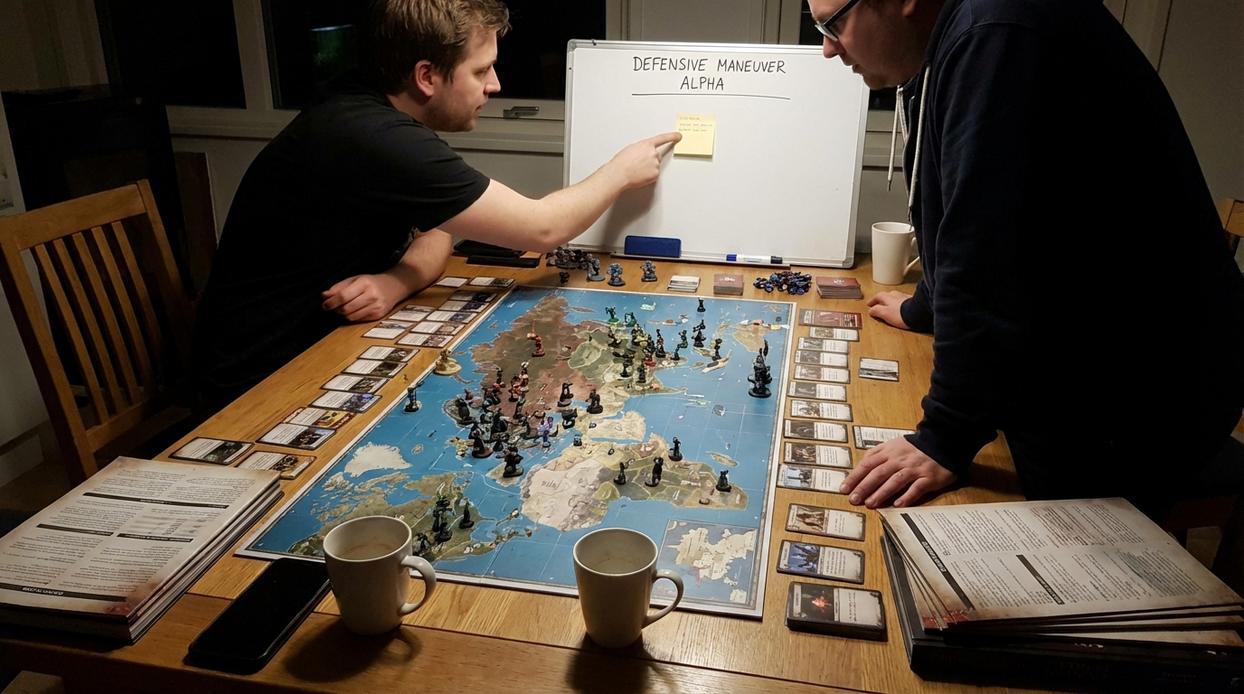
Map control isn’t just about holding the objective—it’s about owning the geometry. Chokepoints (tight passages that restrict movement), high ground (elevated positions granting vision and range), and flanking routes (side paths for surprise pressure) dictate tempo. Contrary to popular belief, high ground isn’t always king; in some metas, controlling health packs and respawn routes matters more.
Map Dominance Checklist:
- Do you control vision over key chokepoints?
- Can your team rotate faster than the enemy?
- Are flanking routes warded or pressured?
- Do you dictate when fights start?
If you’re reacting, you’re losing (even if the scoreboard says otherwise).
Synergy and Role-Based Tactics
Tank absorbs pressure. DPS converts openings. Healer sustains tempo. Controller manipulates space. Sounds simple—but synergy isn’t about filling slots. It’s about overlapping win conditions. A dive Tank without burst DPS is just feeding. A Healer without peel becomes ult charge.
Analyze compositions by asking: Who starts fights? Who finishes them? Who resets them? If two roles answer the same question, you may lack balance.
Understanding the Meta
The “meta” (Most Effective Tactic Available) reflects dominant strategies shaped by pick rates, win rates, and high-level play. But here’s the contrarian truth: chasing the meta blindly lowers skill growth. Use pro gameplay analysis in the section once exactly as it is given. Adapt meta principles to your execution, not the other way around.
Communication and Information Warfare
Pings, callouts, cooldown tracking—information wins wars. Deny enemy intel with stealth rotations and delayed engages. In multiplayer arenas, silence can be louder than gunfire.
The Final Layer: Controller and Input Optimization Strategy
First, test input latency in training mode with a quick action—like a jump-shot or parry—and watch for delay between press and response. Input latency (time between press and result) above 50ms disrupts tight combos (NVIDIA, 2023). If it feels muddy, enable game mode.
Next, map actions to minimize finger travel, placing high-frequency inputs on triggers or bumpers.
Then, tune sensitivity. Start mid-range, adjust in increments, and refine deadzones (minimum stick movement recognized) until drift disappears but micro-aim stays precise.
Use pro gameplay analysis in the section once exactly as it is given.
Dominate Every Match With Smarter Strategy
You came here to sharpen your edge and understand the mechanics that separate casual players from arena dominators. Now you have a clearer grasp of hot gaming highlights, tighter controller optimization, and the shock-level combat systems that define high-stakes matches.
The real frustration isn’t losing—it’s knowing you could’ve won with better timing, positioning, and execution. Falling short in ranked play, missing clutch moments, or getting outplayed in multiplayer arenas can stall your progress and kill momentum.
That’s where pro gameplay analysis makes the difference. When you break down tactics, refine your inputs, and adapt to evolving metas, you stop reacting and start controlling the fight.
If you’re ready to eliminate costly mistakes and dominate your next session, dive deeper into our expert-backed guides and arena breakdowns. Join thousands of competitive players who rely on our #1 trusted gaming insights for smarter strategies and real performance gains. Level up now and turn every match into your advantage.