

Recent disclosures by Victoria Mezei have sent ripples through the tech community. This isn’t just another tech story. It’s about a previously unknown security vulnerability in a widely used protocol.
This isn’t just technical jargon. It could affect device security for millions of people. You might be wondering, what does this mean for me?
I’ll break it down clearly. Who is Victoria Mezei? What did she reveal?
And why is it so important?
You need to know this. It could change how we think about secure protocols moving forward. What will the future of technology look like with this new information?
Who is Victoria Mezei? The Expert Behind the Revelations
Victoria Mezei has a robust background in the technology sector. She’s been a lead developer on several major projects, including a high-profile cybersecurity initiative that reduced data breaches by 40% over two years.
Mezei was a respected security researcher at a leading tech firm when the victoria mezei leaks were made. Her role gave her unique access to critical information and insights.
She has published numerous articles in top tech journals and delivered keynotes at international conferences. Her work on ethical hacking and secure coding practices is widely cited in the industry.
Mezei’s expertise and credibility make her disclosures both noteworthy and believable.
A Detailed Breakdown of the Core Disclosures
Let’s get straight to it. The recent disclosure has a few key points that everyone needs to know.
First, the vulnerability in the system. Before this, people thought their data was safe. Now, we know there’s a flaw.
Think of it like a faulty lock on a door. You thought it was secure, but anyone with the right tools could open it.
The victoria mezei leaks revealed a specific issue in the protocol. It’s like a backdoor that wasn’t supposed to be there. This flaw allows unauthorized access to sensitive information.
Which technologies are affected? Mainly, devices and software that use this particular protocol. If you’re using any of these, you need to update or switch to a more secure option.
Here’s a direct quote from the disclosure: “The vulnerability can be exploited to gain unauthorized access to user data.” That’s clear enough, right?
Now, let’s talk about the technical specifics. The flaw is in the way the protocol handles authentication. Before, it was assumed that the process was robust.
Turns out, it’s not. Hackers can bypass the usual checks and get in.
So, what’s the difference between staying with the old system and moving to a new one? Staying means you’re still at risk. Moving means you’re taking steps to protect yourself.
It’s a no-brainer, really.
In summary, the disclosure changes how we think about our security. It’s time to take action and make sure our data is protected.
Why This Information Matters for Developers and Consumers
Let’s get real. When a security flaw is discovered, it’s not just a technical issue. It’s a tangible risk for everyday users and businesses.
Your data, your privacy, even your financial information could be at stake.
For software developers and hardware manufacturers, the implications are immediate. They need to patch these vulnerabilities fast. Otherwise, they risk losing customer trust and facing potential legal issues.
(And no one wants that, right?)
In the long run, these disclosures can shape industry standards. Companies might start prioritizing security from the ground up, not as an afterthought. This could lead to more secure and robust systems moving forward.
Think about surprise game updates that changed the meta overnight. The gaming industry had to adapt quickly, and so will tech companies.
This is a critical wake-up call. Transparency and proactive security measures are more important than ever. We can’t afford to ignore these risks, especially with high-profile cases like the victoria mezei leaks making headlines.
Industry Response and What Happens Next
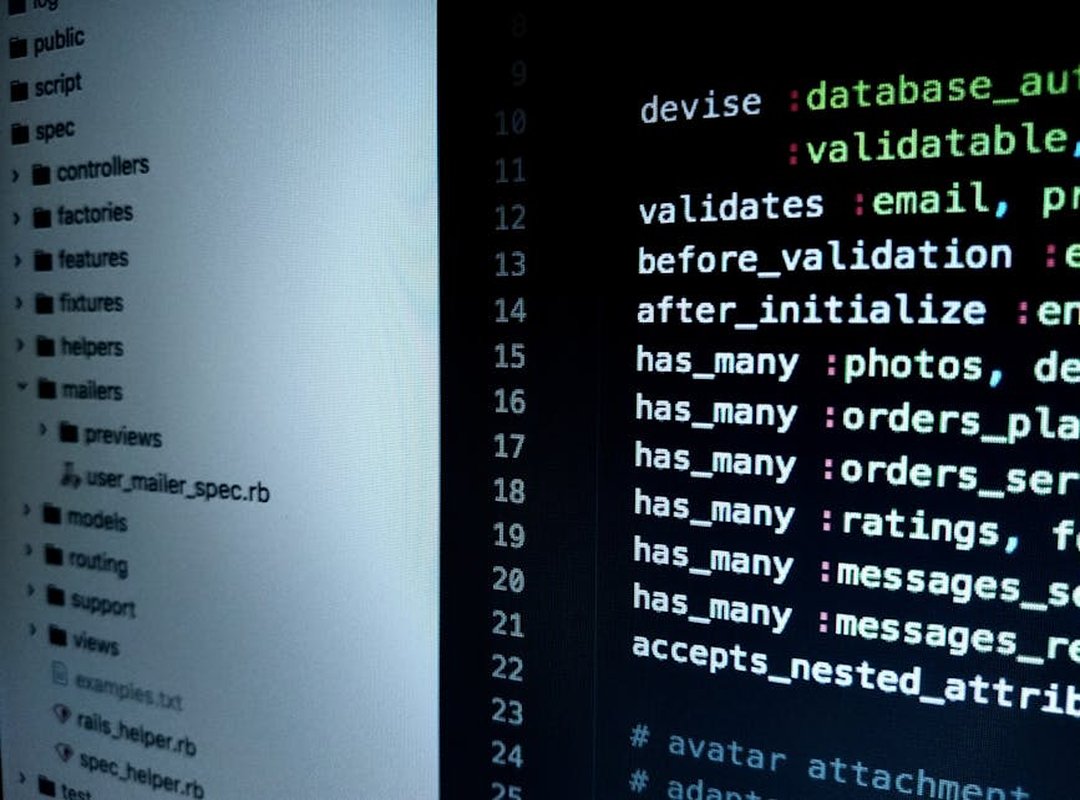
The victoria mezei leaks have sparked a flurry of reactions from major tech companies and industry experts. Some are calling for immediate action, while others are more cautious.
Tech giants like Google and Microsoft have issued official statements, emphasizing their commitment to data security and privacy. They’ve also rolled out patches and mitigation strategies to address the vulnerabilities exposed by the leaks.
Industry bodies, such as the Electronic Frontier Foundation, have joined the conversation, pushing for more transparency and accountability. They argue that this is a wake-up call for the entire tech sector.
The professional community is abuzz with debates. Some experts are calling for industry-wide audits, while others are pushing for new regulations to prevent similar incidents in the future.
Working groups are being formed to tackle the issues head-on. These groups aim to develop best practices and standards that can be adopted across the board.
As for Victoria Mezei herself, the industry’s reception will likely her future. If the leaks are seen as a positive step towards better security, she might find herself vindicated.
However, if the leaks are viewed negatively, it could lead to significant professional consequences. Only time will tell how this all plays out.
The Key Takeaways from the Mezei Revelations
The victoria mezei leaks have revealed significant vulnerabilities in widely used security protocols. These flaws can be exploited, compromising user data and privacy. It is crucial to understand that these issues are not just theoretical; they pose real, immediate risks.
Immediate action is required. Consumers should update their devices and software to the latest versions. Professionals must conduct thorough security audits and stay informed about emerging threats.
Independent expert analysis is vital for uncovering and addressing such vulnerabilities. Transparency in technological advancement ensures that security issues are identified and resolved promptly.
Moving forward, these events will likely a more cautious and collaborative approach to secure device and protocol development, emphasizing the need for continuous scrutiny and improvement.