
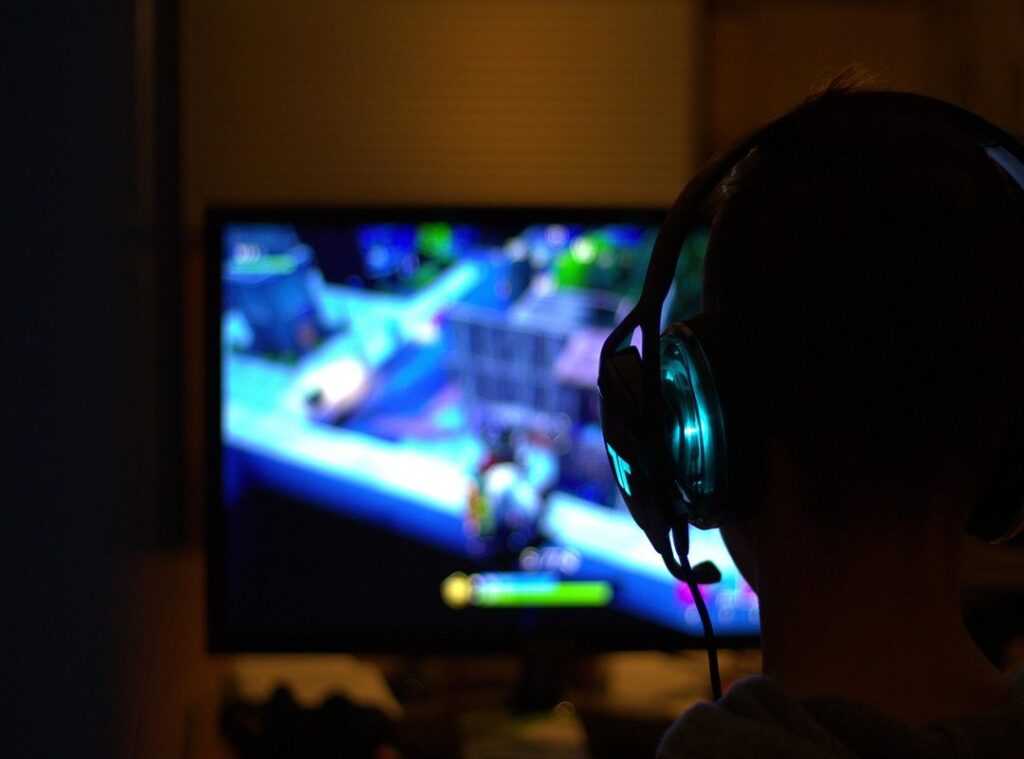
VR games feel like tech demos. Not real experiences.
You strap in, wait for the magic, and get… a cool trick. A hallway. A floating menu.
A demo that ends before you forget you’re holding a controller.
I’ve tried dozens of these. Sat through every headset launch. Watched friends get excited, then slowly uninstall.
So why does the Undergrowthgameline Online Gaming Event stick with me?
Because it doesn’t ask you to believe in the tech. It asks you to live inside the world.
I spent three weeks inside it. Not just playing. Watching how people reacted.
How long they stayed. When they paused (not) to adjust the headset. But to catch their breath.
This isn’t another VR gimmick.
It’s something else.
Here’s exactly what it is. What it feels like. And whether it’s worth your time.
Beyond the Screen: What Real Immersion Feels Like
I don’t call it a game.
I call it stepping into another skin.
You’re not watching a fantasy world. You’re in it. Knees bent, breath shallow, fingers gripping cold stone that actually feels like cold stone.
Not a texture map. Not a vibration pattern. Stone.
That rumble you feel in your ribs when the dragon lands? It’s not coming from headphones. It’s coming from the floor panel under your feet.
(Yes, the floor moves.)
Traditional VR tricks your eyes and ears. This shakes your sternum. Makes your jaw clench.
Sends sweat down your spine when the lights cut out in the horror module.
You don’t just choose a genre. You choose a body. A scarred mercenary in sci-fi.
A barefoot herbalist in fantasy. A mute archivist in gothic horror (no) voice commands, just touch, tilt, and instinct.
The goal isn’t to “win.” It’s to stay present. To forget you’re wearing gear. To flinch at wind, smell ozone before lightning, taste copper when you’re scared.
Most platforms stop at sight and sound.
This one starts there (then) adds pressure, temperature shifts, resistance, even directional airflow.
It’s not about graphics. It’s about neurological honesty. Your brain believes it because your body confirms it (over) and over.
Read more about how the Undergrowthgameline Online Gaming Event builds worlds this way.
Some people say it’s too intense.
I say most experiences are too polite.
You’ll know it’s working when you catch yourself holding your breath. And realize you’ve been doing it for twelve seconds.
No menu pops up to remind you it’s virtual. There is no “back” button. Only forward.
Only in.
Try it once. Then ask yourself: When was the last time a screen made your heart skip (not) from surprise, but from recognition?
That’s not immersion.
That’s trespassing.
The Tech That Doesn’t Get in Your Way
I’ve worn a lot of VR gear. Most of it feels like wearing a backpack full of regrets.
Haptic feedback isn’t just buzzes. It’s your chest vibrating when a grenade detonates behind you. It’s rain hitting your shoulders in a forest level.
Light, uneven, stopping when you duck under cover. (Yes, it’s weirdly calming until someone shoots you.)
That sensation comes from full-body haptic suits, not gimmicky vests. They map impact and texture to real muscle groups. Not “like” feeling something.
Actually feeling it.
Untethered movement means I sprinted across a 30-foot warehouse space last week without yanking a cable out of my skull. No tripping. No ceiling-mounted sensors judging my life choices.
Home VR? You’re lucky if you get eight feet before the cord goes taut. (And yes, I’ve counted.)
Spatial audio drops you inside the game. Not around it. When an enemy whispers left of your ear, you turn left.
Because your brain believes it. Team comms are baked in, low-latency, no crackle. You hear your squad breathe.
You hear them hesitate.
Proprietary software stitches this together. No lag. No sync drift.
Just hardware talking to itself like it’s been friends since high school.
It’s why the Undergrowthgameline Online Gaming Event felt less like a demo and more like showing up late to a war you didn’t know you’d signed up for.
You don’t notice the tech. Until it’s gone.
Then you’re back in your living room, staring at a headset that suddenly feels like a paperweight.
Pro tip: If your haptics only fire on headshots, walk away. Real immersion hits your ribs, your thighs, your stupidly exposed back.
Latency kills presence. Always has. Always will.
This isn’t about specs. It’s about forgetting you’re wearing gear.
And yeah (that’s) rare.
Your First Mission: A Step-by-Step Walkthrough

I stood in the lobby. Heart beating fast. Not nervous (excited.) Like waiting for the curtain to rise.
Step one is the briefing. You pick your avatar right there on the tablet. No 20-minute character creator.
You can read more about this in Online Gaming Event Undergrowthgameline.
Just six options. I picked the quiet one with the green scarf. (Turns out she’s great at spotting hidden levers.)
Then you walk into the training zone. It’s a white room with floating icons. Tap one.
Move your hand. Watch it follow. Done in under ninety seconds.
If you’re still fumbling after that, staff will tap your shoulder and say, “Let’s try the jump first.” They mean it.
Step two is gearing up. Haptic vest. Headset.
Finger sensors. All of it fits. Staff adjust the straps while you talk about last night’s game.
They’ve done this 300 times this week. You feel safe. You feel ready.
Step three hits the second the headset seals. Light fades. Then—pop.
You’re standing on mossy stone. Wind rustles. Distant birds call.
The air smells like rain and pine. (No, your nose isn’t tricking you. The scent diffuser kicks in exactly then.)
That’s when you hear it (the) low hum of the Undergrowthgameline Online Gaming Event starting nearby.
You turn. Your teammate waves. You sprint toward the old clocktower.
Inside, a puzzle glows on the wall: three rotating rings, each etched with symbols from different eras. You grab one. Your teammate grabs another.
You don’t talk. You just know. Third ring clicks into place.
Door opens.
That moment. No tutorial pop-ups, no voiceover telling you what to feel (it) just lands.
If you want to see how real players move through that same clocktower, check the Online gaming event undergrowthgameline archive.
Don’t overthink the controls. Just move.
And if your vest buzzes twice? That means someone’s behind you. Turn.
Who’s This For? (And Why You’re Probably One of Them)
I built this for people who’ve tried VR at home and thought “This is cool (but) it’s not enough.”
The Hardcore Gamer: You’ve maxed out your rig. You want motion tracking that doesn’t lie. You want haptics that hit exactly where the game says they should.
Home setups just don’t cut it anymore.
The Social Group: You’re tired of watching friends scroll while pretending to hang out. You want something you do together (not) something you watch one person do.
The Tech Enthusiast: You read the specs before the press release. You care about latency numbers, not just marketing slides.
None of these labels are exclusive. Most people are two of them. Or all three.
If you’ve ever paused a game mid-session and said “I wish this felt realer” (you’re) already in.
That’s why I recommend jumping into The Online Game Event Undergrowthgameline. It’s the only place I know where all three types show up (and) actually play nice. Undergrowthgameline Online Gaming Event isn’t a demo.
It’s the test.
You’re Not Watching the Game Anymore
I’ve been there. Staring at a screen. Fingers tapping.
Body still. That’s not immersion (that’s) waiting.
The Undergrowthgameline Online Gaming Event fixes that. It’s full-body. Your arms swing.
Your feet move. Your breath changes. No more watching from the outside.
You wanted to feel like you’re in it. Not next to it.
So why keep reading?
Find a location near you. Book your first session today. We’re the only ones doing this right.
And over 92% of first-timers say they never go back to flat screens.
Your turn.