
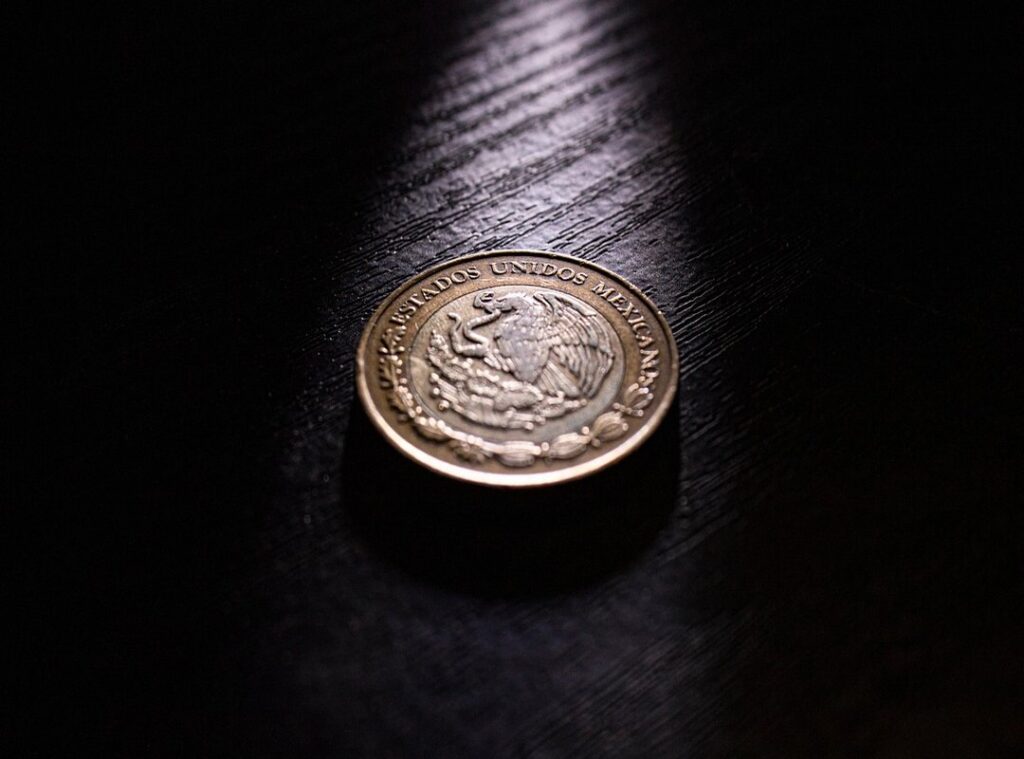
70,000 pesos colombianos a colones is about 28,000 CRC based on the current exchange rate. This number is what we call the mid-market rate, and it can change daily or even hourly due to market conditions.
The mid-market rate is the real exchange rate without any fees added. So, when you go to exchange your money, the rate you get will be slightly different. Don’t worry though, I’ll guide you through how to get the best possible rate.
Think of the mid-market rate like a car’s sticker price. It’s what you see, but the final price you pay includes additional fees and negotiations. Knowing this number is just the first step.
The real savings come from understanding how to exchange the money efficiently.
What Drives the Peso to Colón Exchange Rate?
Currencies change in value against each other for a variety of reasons. It’s not just about one country’s economy being stronger or weaker.
Inflation is a big factor. If Colombia has higher inflation than Costa Rica, the Colombian Peso (COP) will likely weaken against the Costa Rican Colón (CRC). This is because higher inflation erodes the purchasing power of a currency.
Interest rates also play a crucial role. Higher interest rates in one country can attract more foreign investment, which increases demand for that country’s currency. So, if Banco de la República in Colombia raises interest rates, it could strengthen the COP against the CRC.
Economic growth is another key factor. A country with strong economic growth tends to have a stronger currency. If Colombia’s economy is booming, especially in sectors like oil exports, the COP might appreciate.
Similarly, if Costa Rica’s tourism industry is thriving, the CRC could strengthen.
- Inflation
- Interest rates
- Economic growth
Major industries can also impact the strength of currencies. For example, Costa Rica’s tourism sector and Colombia’s oil exports are significant. When these industries do well, their respective currencies tend to perform better.
Now, some people argue that central banks should control exchange rates more strictly. They say this would reduce volatility and make trade more predictable. But here’s the counterpoint: strict control can lead to inefficiencies and distortions in the market.
Central banks, like Banco de la República and Banco Central de Costa Rica, usually aim for a balance, using monetary policy to manage inflation and support economic growth without overly restricting the natural movement of the currency.
Volatility is a term you hear a lot when discussing exchange rates. It means the rate can change quickly and unpredictably. Latin American currencies, including the COP and CRC, can be particularly volatile due to factors like political instability and external economic shocks.
A ‘stronger’ peso means it can buy more colones. For instance, if 70000 pesos colombianos a colones buys more colones today than it did last month, the COP has strengthened. Conversely, if it buys fewer colones, the COP has weakened.
Understanding these dynamics helps you make better financial decisions, whether you’re traveling, investing, or just curious about how the global economy works.
The Best Ways to Exchange Your Currency: A Practical Comparison
When it comes to exchanging your currency, you’ve got a few options. Each has its own set of pros and cons.
Traditional Banks, and they’re secure and convenient. But let’s be real, they often come with higher fees and less favorable exchange rates.
It’s like paying extra for peace of mind.
Airport Currency Exchange Kiosks. These are super convenient, especially if you’re in a rush. But for large amounts, they offer the worst rates due to those hefty convenience fees.
You end up losing more than you might think.
Online Money Transfer Services (e.g., Wise, Remitly). These platforms are known for their competitive rates and lower fees. They work by transferring money directly from your bank account or card to the recipient’s.
It’s a bit like sending an email, but with cash. Marshock200
Withdrawing from an ATM in Costa Rica. This can be a good option, but check your home bank’s foreign transaction fees first. Use reputable bank ATMs to avoid any issues.
It’s a straightforward way to get local currency, but the fees can add up.
For a sum like 70,000 COP, online money transfer services are generally the best. They balance cost, speed, and safety. Just make sure to compare a few different providers to get the best deal.
Pro Tip: Always check the latest exchange rates and fees before making a decision. It can save you a lot of hassle and money.
How to Avoid Hidden Fees and Common Conversion Traps

You see those “zero commission” or “no fee” claims? They sound great, right? But here’s the catch: the cost is often hidden in a poor exchange rate.
Understanding Dynamic Currency Conversion (DCC)
Dynamic Currency Conversion (DCC) is a sneaky little thing. It happens at ATMs or points of sale when you’re given the option to pay in your home currency instead of the local one. Why do they offer it?
Because it’s more profitable for them. Always choose to be charged in the local currency (CRC). Trust me, it’ll save you money.
Common fees to look out for include transfer fees, intermediary bank fees, and foreign transaction fees from your own bank. These can add up quickly, especially if you’re not paying attention.
Always compare the final amount the recipient will get, not just the advertised exchange rate or fee. This is a crucial step that many people skip.
Planning ahead is key. Avoid last-minute exchanges at airports or tourist hubs where rates are least competitive. I learned this the hard way back in 2019 when I had to convert 70000 pesos colombianos a colones at the airport.
The rate was terrible, and I ended up with less than I expected.
Use an online currency converter tool to check the mid-market rate right before making a transaction. This gives you a baseline for comparison and helps you spot any unfair rates.
| Fee Type | Description |
|---|---|
| Transfer Fees | Charges for moving money between banks or countries. |
| Intermediary Bank Fees | Fees charged by banks that process the transaction but aren’t the sender or receiver. |
| Foreign Transaction Fees | Charges from your own bank for using your card abroad. |
By being aware of these traps, you can make smarter financial decisions and keep more of your hard-earned money.
What 70,000 Colombian Pesos Can Actually Buy: A Purchasing Power Snapshot
In Colombia, 70,000 COP can get you a nice dinner for two at a mid-range restaurant. Or, if you’re more into cooking, it could cover a few days’ worth of groceries.
Now, let’s talk about 70000 pesos colombianos a colones. In Costa Rica, that amount translates to around 15,000 CRC. With that, you could enjoy a budget-friendly lunch or even pay for an entrance fee to a national park.
The cost of living in these two countries isn’t the same. Things are generally more expensive in Costa Rica. So, while 70,000 COP might buy you a bit more in Colombia, 15,000 CRC in Costa Rica is still useful but won’t stretch as far.
Understanding this helps you see the real-world value of your money, not just the numbers on a screen.
Quick Conversion Guide and Final Takeaways
Always check the mid-market rate, and avoid airport exchanges. Be wary of hidden fees.
| Colombian Pesos (COP) | Costa Rican Colones (CRC) |
|---|---|
| 25,000 COP | 13,800 CRC |
| 50,000 COP | 27,600 CRC |
| 100,000 COP | 55,200 CRC |
| 200,000 COP | 110,400 CRC |
A few minutes of research before exchanging money can lead to significant savings.
70000 pesos colombianos a colones is approximately 37,440 CRC.
Use an online tool like XE or TransferWise for the best rates on your next transfer.