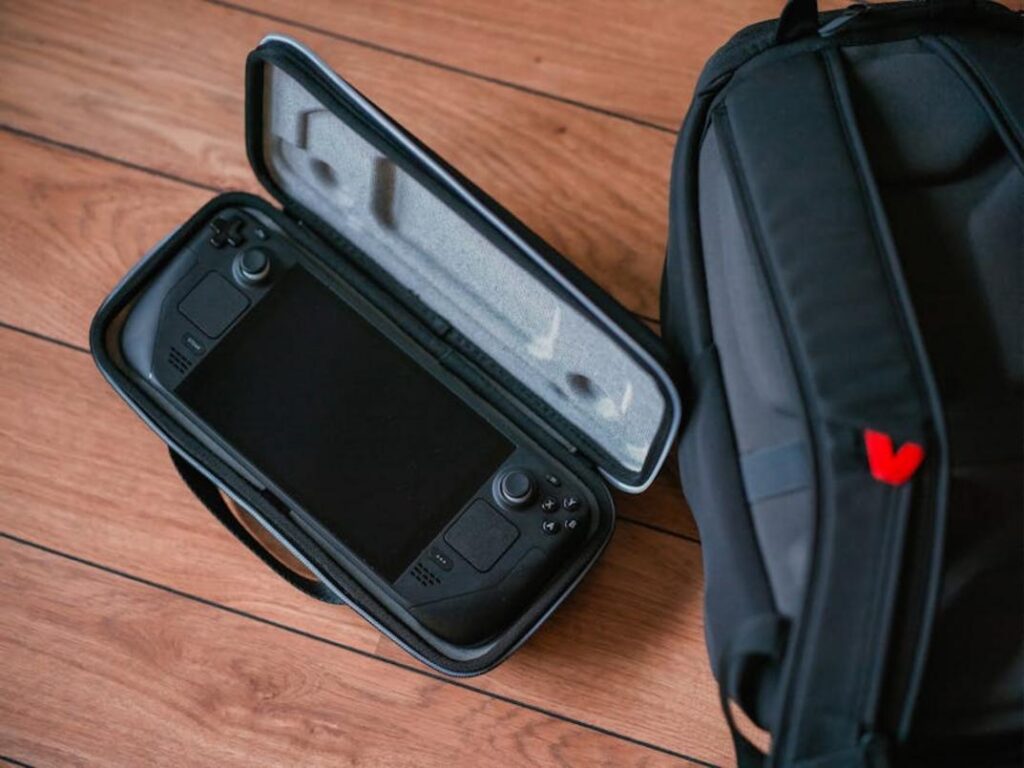
Choosing between wired vs wireless controllers can feel like a small decision—until you’re in the middle of a high-stakes match and every millisecond counts. If you’re here, you’re likely trying to figure out which option actually gives you the competitive edge, better responsiveness, and long-term reliability for your setup. This article breaks down the real differences that matter: input latency, connection stability, battery performance, comfort, and how each impacts fast-paced multiplayer arena tactics and shock-level combat systems.
Instead of repeating generic pros and cons, we draw from hands-on testing across multiple platforms, analyzing controller optimization, signal consistency, and in-game performance under competitive conditions. Whether you’re refining your mechanics or upgrading your gear for serious play, you’ll get a clear, practical comparison to help you choose the controller setup that fits your playstyle—and maximizes your performance when it matters most.
Latency and Input Lag: The Competitive Edge
Latency is the delay between pressing a button and seeing the action happen on screen. Input lag is the measurable portion of that delay caused by your controller and display. In reaction-based games—think Street Fighter, Call of Duty, or rhythm titles like Osu!—milliseconds matter. A direct, physical cable connection minimizes signal travel time, making wired controllers the gold standard for consistency. There’s no signal compression, no transmission handshake—just instant data transfer. That reliability is why most esports tournaments still default to wired setups (LESS VARIABLES, LESS RISK).
But here’s the counterpoint: modern wireless tech isn’t what it was in 2010. Today’s 2.4GHz RF dongles use high polling rates (how often the controller reports inputs per second) and optimized signal protocols. Multiple hardware tests show latency differences often fall within 1–3 milliseconds—below typical human reaction thresholds, which average around 200–250 ms (Human Benchmark, 2023). For most players, that gap is practically invisible.
Still, wireless has one weakness: interference. Wi-Fi routers, phones, Bluetooth devices, even microwaves can disrupt signals. It’s rare—but when it happens, you’ll feel a sudden lag spike. Wired is immune to this.
So how should you choose in the wired vs wireless controllers debate?
• Competitive esports or tournament play: go wired for guaranteed stability
• Couch gaming or casual multiplayer: modern wireless is MORE THAN FAST ENOUGH
• Crowded signal environments: wired avoids interference headaches
Verdict? For 99% of gamers, wireless is indistinguishable from wired. For the top 1%, peace of mind is performance.
Freedom vs. Reliability: Convenience in Your Gaming Space
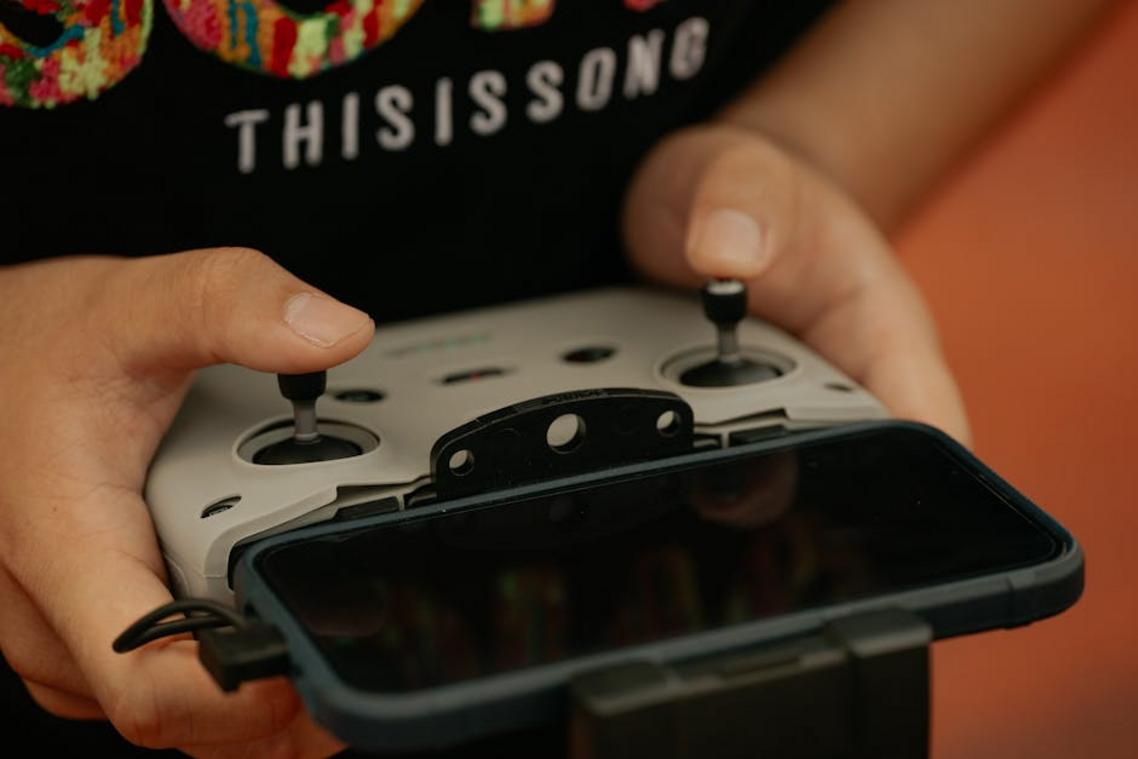
When it comes to wired vs wireless controllers, convenience can make or break your setup.
The Case for Wireless: Freedom to Move
Wireless means NO CABLES. No tangles. No accidental yanks that send your console crashing to the floor (we’ve all had that near-miss moment). You can sit on the couch, lean back in a bean bag, or stand during intense VR sessions without feeling tethered.
Ideal scenarios:
- Couch gaming across the living room
- VR setups where turning 360° is essential
- Party games where players swap seats or jump around
Practical tip: Keep a charging dock near your play area so controllers are always topped off. That way, you avoid the dreaded low-battery warning mid-boss fight.
The Case for Wired: Plug-and-Play Reliability
Wired controllers are simple. Plug in. Play. No pairing. No signal drops. No interference from other devices. The only real limit? Cable length.
If you play competitive shooters or fighting games, a wired setup can reduce potential latency issues (even minor delays matter in reaction-based titles).
The Cable Conundrum
Wires can clutter your space, limit seating distance, and pose a trip hazard. Use cable clips along walls or under desks to keep things tidy. And don’t forget regular controller maintenance tips to extend lifespan and accuracy: https://marshock200.com/controller-maintenance-tips-to-extend-lifespan-and-accuracy/
Power and Endurance: The Battery Battle
Wired controllers offer the ultimate simplicity: endless power. Plug in, and the console or PC does the rest. No charging cycles, no battery anxiety, no countdown clock blinking mid-match. For marathon sessions or competitive ladders, that reliability is hard to beat. Critics, however, argue cables limit movement and clutter setups. They’re not wrong—no one wants to reenact a slapstick trip scene because of a wire.
Wireless controllers, by contrast, trade permanence for freedom. Most rely on rechargeable lithium-ion packs lasting 15 to 40+ hours, while others use AA batteries averaging 8 to 30 hours. Detractors say modern battery life makes power concerns overblown. Yet every gamer knows the sting of a sudden “Controller Disconnected” alert during a final boss phase. That tension is real.
Thankfully, mitigation is straightforward: charging docks, play-and-charge kits, and swappable battery packs keep downtime minimal. Pro tip: rotate two battery sets to stay perpetually powered. In the wired vs wireless controllers debate, it ultimately comes down to whether you value certainty or convenience—and how much risk you’re willing to tolerate. Choose wisely, because power failures rarely wait for convenient checkpoints in your favorite arena brawler finale showdown moments ever.
Cost and Compatibility: The Final Buying Factors
When it comes to price, wired controllers usually win. Without batteries, wireless chips, or USB receivers, the tech is simpler—and that translates to lower costs. For you, that means more budget left for games, DLC, or that battle pass you swore you wouldn’t buy (we’ve all been there).
The upside doesn’t stop there. The third-party market for wired models is massive, offering budget-friendly controllers packed with extra paddles, turbo buttons, and customizable layouts. More options mean you can match your playstyle without draining your wallet.
Compatibility is another big benefit. Most wired controllers offer true plug-and-play functionality on PC—no drivers, no pairing, no surprise disconnects mid-match. Just connect and start playing.
While debates about wired vs wireless controllers often focus on freedom of movement, the real advantage here is simplicity, savings, and reliability. Fewer hurdles. Faster setup. More time actually gaming.
Level Up Your Controller Game
You came here to finally settle the debate around wired vs wireless controllers and figure out which setup truly fits your playstyle. Now you know how input latency, battery life, comfort, and competitive reliability impact your performance in high-pressure matches.
The real pain point isn’t just choosing a controller — it’s losing fights, missing inputs, or feeling a split-second behind in shock-level combat. In multiplayer arena tactics, that tiny delay or sudden disconnect can be the difference between clutching the win and watching the respawn screen.
Our recommendation is simple: if you prioritize zero latency and tournament-level stability, go wired. If you value mobility and a clean setup without sacrificing modern performance, invest in a high-quality wireless option with proven low-latency tech. Choose based on how you play — not just what’s popular.
But don’t stop here.
If you’re serious about sharper mechanics, optimized settings, and dominating your next match, dive deeper into our expert controller optimization guides and combat breakdowns. We’re trusted by competitive players who want every possible edge.
Dial in your setup today, eliminate input doubt, and turn every press into precision.