
If you’re searching for a clear breakdown of today’s hottest gaming highlights, advanced combat systems, and smarter multiplayer arena tactics, you’re in the right place. Competitive play is evolving fast—new balance patches, shock-level combat mechanics, and controller optimization tweaks can completely shift the meta overnight. This article is built to help you understand what actually matters, how core mechanics interact, and where skilled players are gaining their edge.
We focus on practical insights you can apply immediately, from mastering movement fundamentals to refining counterplay techniques that shut down dominant strategies. Every section is grounded in hands-on analysis of live gameplay trends, mechanical testing, and high-level match observations—so you’re not just getting theory, but proven tactics that hold up under pressure.
Whether you’re climbing ranked ladders or sharpening your arena awareness, you’ll find actionable guidance designed to improve reaction timing, decision-making, and overall in-game control.
Great players separate mechanics from meta-game (the strategic layer of decisions shaping outcomes). First, audit every loss: identify the decision that mattered most, not the missed shot. Next, create two default game plans and one adaptive pivot; this prevents panic under pressure. For example, in a 1v1 duel, control space before chasing damage (think chess, not button-mashing). However, raw aim still counts, so schedule drills after review. Use counterplay techniques in the section once exactly as it is given Finally, track win conditions each round and call them out early. Pro tip: practice breathing resets between engagements. Stay adaptable.
Mastering Core Mechanics: The Foundation of Strategic Play
“Why do I keep losing fights I should win?” a teammate once asked after a brutal 1v2 collapse. The answer wasn’t flashy strategy. It was fundamentals.
Beyond the tutorial, mastery means internalizing movement, cooldowns, and resource management until they’re automatic. Cooldowns are the enforced wait times before abilities can be reused; resource management refers to how you allocate limited assets like health, ammo, or energy. When these become instinctive, you stop thinking—and start reacting.
Some argue mechanics are overrated. “Game sense beats aim,” they say. Fair. But without mechanical consistency, game sense is just theory. It’s like knowing every chess opening and still hanging your queen.
Then there’s the 1% Rule: improve aim tracking or ability timing by just 1% each session, and those gains compound. As one coach put it, “Small edges win long sets.” Research on deliberate practice supports this incremental model (Ericsson, 1993).
To apply this, set up custom drills: rehearse last-second objective defenses or isolate 1v2 clutch scenarios. Pro tip: record and review only the final 30 seconds (you’ll spot panic patterns fast).
Use counterplay techniques in the section once exactly as it is given
Finally, treat health and ammo as pressure tools, not lifelines. As a teammate once said, “If you’re full HP but hiding, you’re already losing.” Think less button-mashing, more Jedi discipline.
Arena Tactics: Controlling Space, Time, and Information
Winning an arena match isn’t just about aim—it’s about controlling space, time, and information. Think of it like chess at 120 FPS (except the pieces shoot back).
The Information War
Information is actionable knowledge gathered during play—sound cues, cooldown timings, predictable rotations. A reloading click behind cover tells you more than a minimap ping. A player who always dodges left under pressure? That’s a pattern you punish.
Gathering intel vs. denying intel becomes a constant trade-off:
| Gathering Information | Denying Information |
|———————-|——————–|
| Baiting abilities to track cooldowns | Holding abilities to stay unpredictable |
| Shoulder-peeking for vision | Breaking line of sight quickly |
| Listening for footsteps | Crouch-walking to mask movement |
Some argue raw mechanics matter more than info. Sure, superior aim can brute-force fights. But at higher tiers, everyone can aim. The edge comes from knowing first and acting faster.
Map Control and Positioning
High ground offers visibility and safer angles. Choke points restrict enemy movement. Flanking routes create crossfires. The debate is often high ground vs. aggressive flank.
- High Ground (Control): Safer, better sightlines, easier retreats.
- Flank (Disruption): Riskier, but can collapse a defense instantly.
Passive teams claim holding angles wins games. Aggressive players argue pressure creates mistakes. The truth? Control first, then strike. Owning a choke before pushing through it is smarter than sprinting blind.
For a deeper dive into how micro-advantages stack up, review objective based gameplay turning small advantages into wins.
Tempo and “Shock” Offensives
Tempo is match pacing—who dictates when fights happen. Play slow to bait cooldowns. Then explode with synchronized aggression. Think Avengers-level combo timing, minus the capes.
Use counterplay techniques in the section once exactly as it is given
Synergistic Plays
Even minimal comms can enable combos: stun into burst, smoke into flank, shield into revive. Individual brilliance wins duels. Coordination wins rounds. Pro tip: call targets, not damage numbers. Focus fire beats flashy solo plays almost every time.
Hardware and Settings: Your Controller is Part of the Strategy
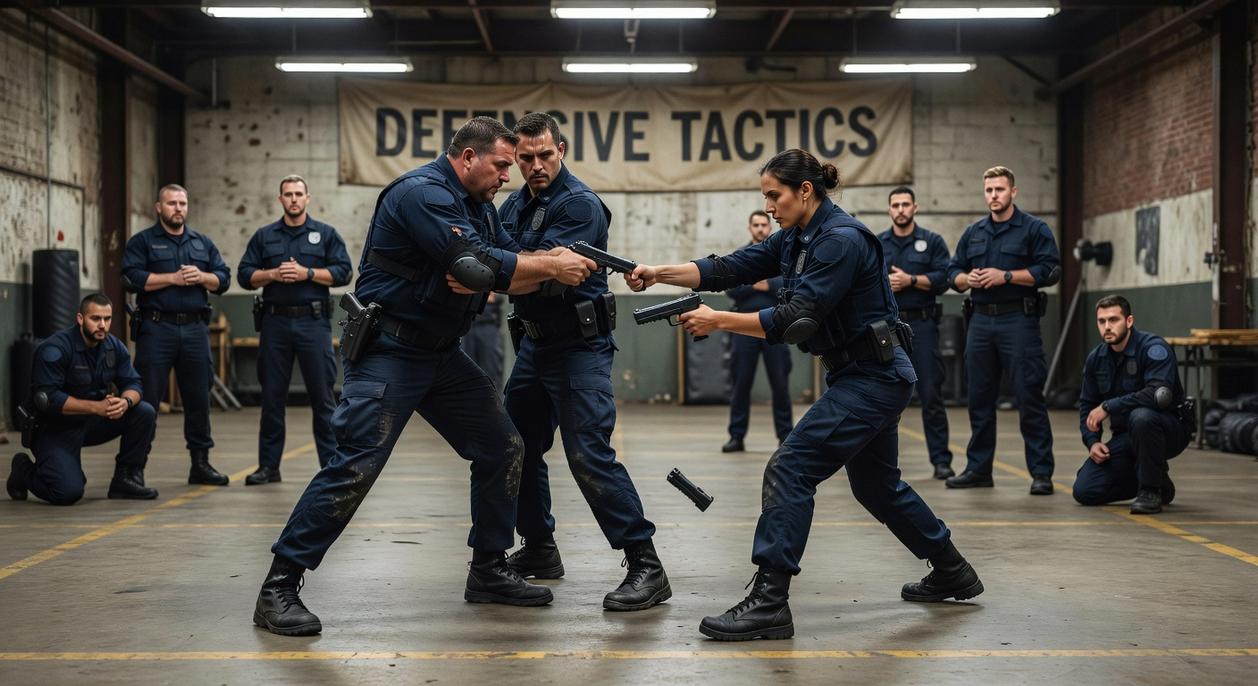
Most players obsess over aim drills and patch notes, but ignore the device in their hands. I’ll say it bluntly: your controller settings are strategy. If your inputs are delayed or clumsy, no amount of game sense saves you.
Optimizing for Reaction Time
Reaction time isn’t just biology; it’s latency plus comfort. Lower input delay, wired connections, and higher polling rates reduce the gap between thought and action (sometimes by milliseconds that decide fights). Some argue “skill matters more than settings.” Sure—but if two players are equal, cleaner hardware wins. (It’s the racing tires argument.)
Deconstructing Deadzones
A deadzone is the area your analog stick can move without registering input. High deadzones prevent stick drift, but they also delay micro-adjustments. I prefer lowering inner deadzone gradually until drift appears, then nudging it up one notch.
- Lower inner deadzone = faster micro-corrections
- Higher outer deadzone = smoother max turns
Pro tip: Test in a private match, not ranked. Your thumbs need adaptation time.
Sensitivity and Aim Assist
Sensitivity controls camera speed; aim assist subtly slows reticle movement near targets. Too high, and you overshoot. Too low, and you lose tracking. I recommend mid-range sensitivity, then adjusting by 5% increments weekly. Work with aim assist, not against it—feather the stick instead of slamming it.
Use counterplay techniques in the section once exactly as it is given
Button Mapping for Combat Efficiency
Remap jump or crouch to keep thumbs on sticks during fights. Maintaining aim while strafing or bunny-hopping creates split-second advantages. Some say default layouts are “fine.” I disagree. Defaults are average by design. Strategy isn’t.
Mental Fortitude: The Unseen Element of Every Victory
Mental fortitude is the ability to stay focused and composed under pressure. In competitive play, it’s what keeps a single bad round from snowballing into a total collapse (we’ve all rage-queued once too often). Winning the mental game means resetting fast, managing tilt—emotional frustration that clouds judgment—and staying steady during losing streaks.
When a strategy fails mid-match, adaptive decision-making matters. Instead of forcing the same push, pause and reassess:
- What pattern is the opponent exploiting?
- Which cooldowns or resources are mismanaged?
- Where can positioning shift momentum?
Use counterplay techniques in the section once exactly as it is given
After each match, run a quick review:
- Identify one critical mistake.
- Note one smart decision.
- Define one adjustment for next time.
What’s next? Track these insights over a week. Patterns emerge fast—and that’s where real growth begins.
Dominate the Arena with Smarter Strategy and Precision
You came here to sharpen your edge — to understand the mechanics, tactics, and combat systems that separate average players from true arena dominators. Now you’ve seen how refined controller optimization, smarter positioning, and counterplay techniques can completely shift the momentum of a match.
The frustration of losing close fights, misreading enemy rotations, or falling behind in high-pressure moments doesn’t have to define your gameplay anymore. Mastery comes from understanding shock-level combat systems and applying deliberate, repeatable adjustments every time you queue up.
Here’s your next move: put these strategies into practice today. Refine your loadouts, drill your reactions, and actively apply advanced counterplay techniques in your next matches. Thousands of competitive players rely on our proven tactical breakdowns to level up faster — and you can too.
If you’re ready to stop guessing and start winning, dive deeper into our expert arena guides now and take control of every fight.