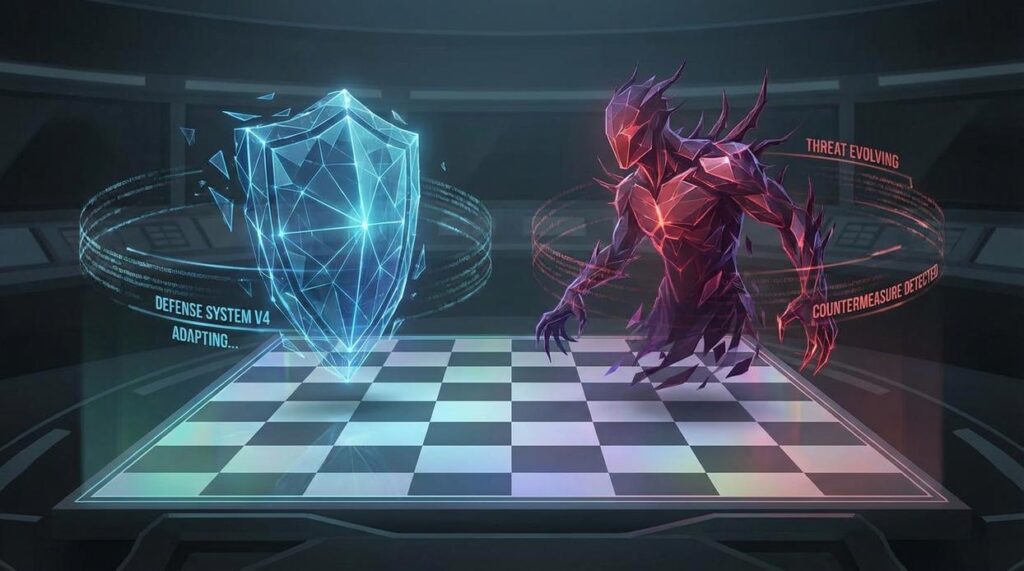
Great combat doesn’t just look explosive—it feels immediate, fluid, and unforgettable. This guide explores the art of building fast paced combat design that keeps players locked into a seamless loop of action, reaction, and reward. Too many systems fall into sluggish animations, repetitive inputs, or disconnected feedback. Here, we break down how to eliminate that friction and replace it with momentum and player empowerment. Drawing from close analysis of top-tier multiplayer arenas and standout single-player action titles, you’ll get a practical blueprint for crafting high-octane encounters that hit hard, flow smoothly, and leave a lasting impact.
The Foundation: Building a Responsive Core Loop
Every great combat system rests on the 3 C’s: Character, Controls, and Camera. Character is how the avatar moves and responds. Controls are how quickly and accurately inputs translate to action. Camera is the player’s window into space and threat. If one fails—say the camera obscures an incoming attack—the entire system collapses (and frustration spikes fast).
At the heart of this sits the action-feedback cycle. When a player presses attack, they expect instant confirmation: hit-stun (a brief enemy stagger), sharp particle bursts, and punchy sound design. Research on player feedback loops shows immediate audiovisual response increases perceived responsiveness and satisfaction (see GDC talks on combat feel). In fast paced combat design, milliseconds matter.
Then there’s player agency—often called input-feel. Animation canceling (interrupting an animation early) and input buffering (queuing the next move slightly before the current one ends) prevent players from feeling trapped. Without them, combat feels sticky instead of sharp.
Case in point: the dash-and-strike loop in Hades (Supergiant Games). Dash, reposition, strike, repeat. Immediate feedback. Clean camera framing. Zero wasted motion.
Pro tip: If combat feels off, test inputs in isolation—remove VFX and sound to diagnose timing before polishing effects.
The Player’s Toolkit: Designing for Dynamic Choices
Beyond the Basic Attack means giving players more than a single reliable button. A well-built toolkit blends offense, defense, and movement into a cohesive loop. In practice, that could look like a dash that cancels recovery frames, a shield that reflects projectiles, and a trap that punishes overextension. Together, they promote fast paced combat design without reducing encounters to button mashing. I’ll admit it’s sometimes unclear how many abilities are too many; complexity can empower creativity or suffocate it.
Resource Management as a Pacing Tool adds friction on purpose. Cooldowns, mana, or stamina systems create meaningful downtime. That pause forces tactical trade-offs: burst now, or hold for the next wave? Some designers argue restrictions feel artificial. They’re not wrong—poor tuning can feel like a parking meter in a sword fight (and nobody likes that). But when calibrated well, resources create rhythm, like a drummer setting tempo.
Synergy and Emergent Gameplay push this further. A wet status effect amplifying lightning damage is a classic example, encouraging team coordination and environmental awareness. I can’t say every interaction will be discovered by players, but that mystery is part of the magic.
In multiplayer arenas, a robust toolkit enables distinct roles—damage dealers, supports, controllers—while raising the skill ceiling. When abilities interlock, teamwork feels earned, not scripted. And although balance debates never truly end, dynamic choices keep matches unpredictable and worth mastering. That uncertainty keeps designers iterating and players experimenting every single match. Sometimes, surprise beats perfection. Anyway.
The Other Side of the Blade: Intelligent Enemy Design
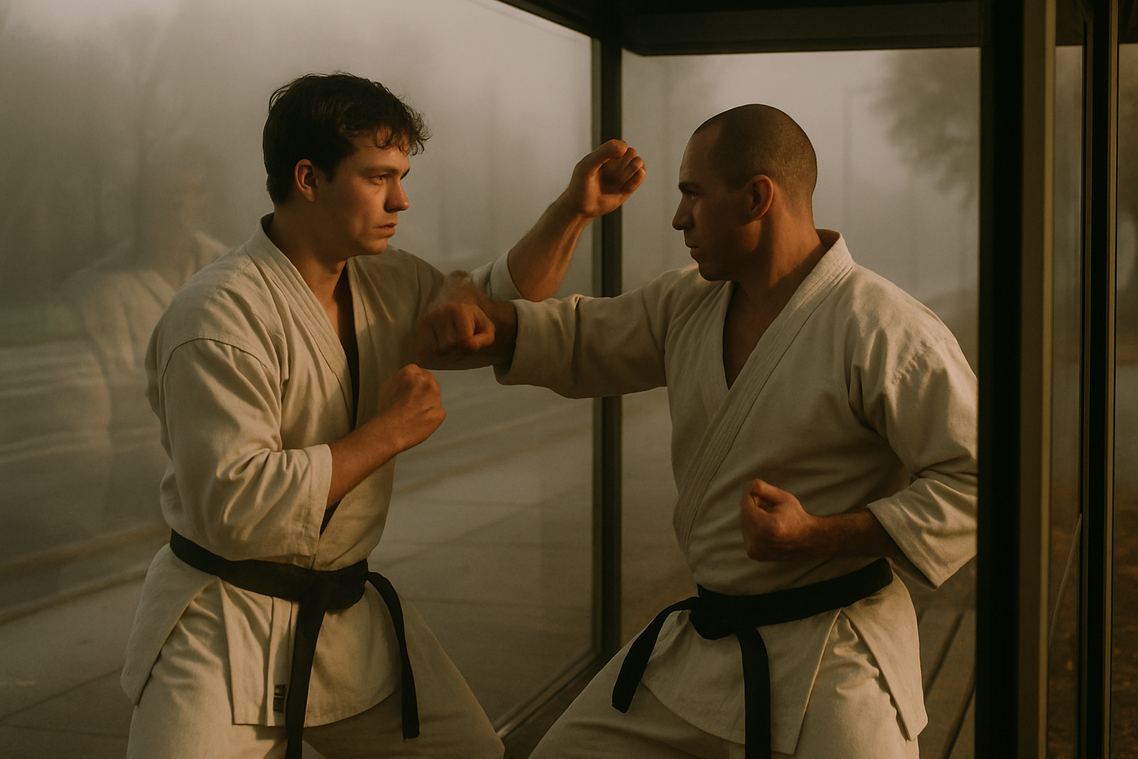
Great combat isn’t about bigger health bars. It’s about better questions. Specifically: What is this enemy asking the player to do differently?
Enemies as a Combat Puzzle
A damage sponge (an enemy with inflated health but unchanged behavior) tests patience, not skill. In contrast, intelligent enemies test specific mechanics. For example, an anti-air sentinel that counters aerial attacks forces grounded play. Suddenly, your favorite jump combo becomes a liability.
This is where fast paced combat design shines. Each enemy becomes a micro-puzzle that nudges players to rotate tools instead of spamming one tactic (yes, we all have that one overused move).
If you’re refining your combat system, ask:
- What player habit does this enemy punish?
- What mechanic does it encourage?
- Does defeating it feel earned rather than endured?
Telegraphing and Timing
Fair difficulty hinges on telegraphing—clear visual or audio cues that signal an incoming attack. A raised axe, a glowing projectile, a distinct roar. These “tells” create a reaction window.
Without telegraphing, difficulty feels random. With it, failure feels instructional. Players think, “I dodged too early,” not “That was cheap.” (Big difference.)
Creating Pressure, Not Frustration
Dynamic combat uses archetypes:
- Rushdown enemies: Close distance fast.
- Ranged units: Control space from afar.
- Area-denial threats: Limit safe positioning.
Together, they create movement and adaptation. For deeper synergy design, see combo systems and chain attacks a deep dive.
Case Study: The Marauder in DOOM Eternal
Some argue the Marauder disrupts flow. And yes, he breaks rhythm. But that’s the point. He demands spacing, precision timing, and full toolkit mastery. In a game about aggression, he teaches restraint—turning chaos into controlled execution.
Optimizing for Input: The Feel of the Fight
First, let’s define input mapping—how actions like dodge, parry, or heavy attack are assigned to buttons or keys. The right layout reduces cognitive load (mental effort during play), meaning you react faster and win more exchanges. For example, mapping dodge to a paddle button keeps your thumb on the stick—small change, huge payoff.
Meanwhile, sensitivity tuning directly impacts accuracy. Higher sensitivity favors aggressive players; lower settings reward precision. In fast paced combat design, that balance determines whether you land the hit or whiff under pressure.
Then there’s haptics—controller vibrations and adaptive triggers that simulate resistance. When a shield block tightens the trigger, you feel impact. That feedback improves timing (think of it as your controller whispering “now”).
Finally, low latency—the delay between input and on-screen action—is non-negotiable. In multiplayer arenas, even 30 milliseconds can decide a duel. Lower latency means tighter combos, cleaner counters, and fewer “I pressed that!” moments. The benefit? More control, more consistency, and ultimately, more wins.
From Mechanics to Lasting Memories
You came here to learn how to turn ordinary encounters into adrenaline-charged experiences, and now you have the blueprint to do it. By eliminating sluggish, uninspired combat and replacing it with a responsive core loop, a dynamic toolkit, and smart enemy design, you solve the biggest frustration players face: boredom in the heat of battle.
This is how fast paced combat design becomes memorable instead of mechanical.
Now it’s your move. Start prototyping, stress-test your systems, and refine every frame of feedback until it feels electric. Join thousands of competitive designers leveling up their combat systems—dive in now and build the high-octane gameplay players can’t stop talking about.