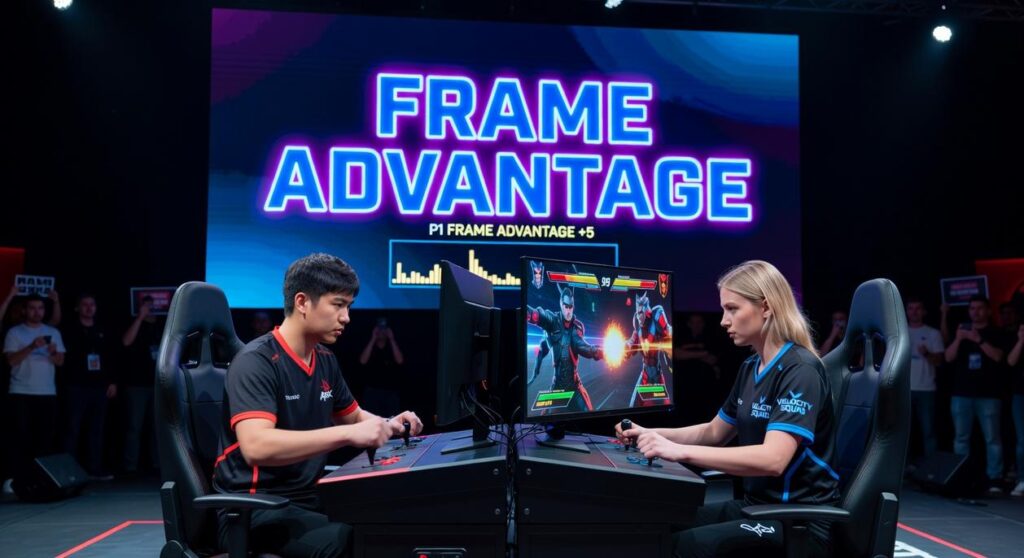
If you’re here, you’re looking for more than surface-level gaming tips. You want to understand the mechanics behind the highlights, the tactics that win multiplayer arenas, and the combat systems that separate casual play from elite performance.
This article dives into the core systems that actually drive success—breaking down hot gaming moments, analyzing shock-level combat interactions, and explaining how controller optimization can give you a measurable edge. Instead of vague advice, you’ll get a frame by frame breakdown of key sequences so you can see exactly why certain moves, timings, and positioning choices work.
To ensure accuracy, we’ve analyzed competitive match footage, studied patch notes and gameplay updates, and incorporated insights drawn from high-level arena play. The goal is simple: give you practical, mechanics-focused guidance you can apply immediately.
By the end, you’ll understand not just what works—but why it works—and how to replicate it in your own matches.
Unlocking the Code: Why Every Frame is a Battle
Frame data is the rhythm beneath the brawl. Think of it like a chess clock glued to every punch; each move spends time, and whoever manages it better wins. You may call something “fast,” yet without numbers, you’re shadowboxing in the dark. So, start with a frame by frame breakdown: count startup, active, and recovery. Startup is the windup, active the strike, recovery the exposed sigh. Meanwhile, advantage is borrowed time. If you’re plus, you move first; if minus, you pay. Suddenly, exchanges feel less like chaos and more like boxing math.
Every attack in a fighting game is a miniature story told in frames. Think of it like throwing a punch in real life: you wind up, you connect, you pull back. Games just measure that sequence frame by frame.
Use frame by frame breakdown in the section once exactly as it is given
Startup Frames
The startup is the wind-up, the coiled spring before release. Lower startup frames mean your move hits sooner, perfect for punishing a whiff. A fast jab might start in three frames, while a heavy hammer swing could take fifteen. That difference is the gap between a clean counter and eating a combo.
Active Frames
Active frames are the damage phase, when the hitbox is live. A hitbox is the invisible area that registers contact. Moves with lingering active frames hang in space like a trap, catching dashes and desperate jumps. Think of Dhalsim’s stretchy limbs controlling the screen (yes, it’s that annoying).
Recovery Frames
Recovery is the cooldown, when you’re vulnerable and praying your opponent hesitates. High recovery on a missed attack is basically a neon sign that says punish me.
• Fast startup enables offense.
• Long recovery invites disaster.
Mastering this rhythm turns chaos into choreography, where every frame is a step and every mistake has a price. When you see combat this way, you stop button mashing and start making deliberate choices, measuring risk versus reward like a chess player calculating three moves ahead. Precision beats panic every time.
The Core Combat Equation: Advantage On Block and On Hit

At high levels of multiplayer combat, everything revolves around frame advantage—who gets to act first after an interaction. In fighting games, frames are individual slices of time (most games run at 60 frames per second). When a move leaves you plus (+), you recover before your opponent. When you’re minus (-), they recover first.
Think of it like turn-taking in chess—except the turns are measured in milliseconds.
On Block: Safe, Unsafe, and True Pressure
When your attack is blocked, the frame data determines momentum.
| Situation | Frame Result | What It Means |
|————|————–|—————|
| -10 on block | Unsafe | Opponent gets guaranteed punish |
| -2 on block | Safe | Opponent acts first, but no guaranteed punish |
| +3 on block | Plus | You continue pressure |
A safe move is minus but recovers fast enough to avoid guaranteed punishment. A true blockstring occurs when your follow-up starts before the opponent can interrupt (no gaps to mash through).
Pro tip: If a move is -3 but your fastest opponent button is 5 frames, you’re effectively safe.
On Hit: Your Turn, Guaranteed
Landing a hit grants larger advantage. Being +8 on hit often means guaranteed combo extensions or mix-ups (the classic “guess high or low” scenario). This is where optimized routes matter most.
The Whiff Punish: Maximum Opportunity
When an attack completely misses, it enters long recovery. This creates the biggest punish window in the game.
Study interactions with a frame by frame breakdown in training mode. Watch when recovery ends. That visual timing turns guesses into reactions.
Some argue spacing matters more than frame data—and spacing is crucial. But spacing without understanding advantage is like swinging blind (and hoping for the best). Master both, and momentum stays yours.
From the Lab to the Arena: Practical Frame Analysis
I still remember the first time I lost to a “safe” sweep that clearly wasn’t safe (or so I thought). Instead of rage-quitting, I went straight into Training Mode. That’s where real improvement starts.
Using Training Mode
Most modern fighters include frame data displays—numerical indicators showing startup (how fast a move begins), active frames (when it can hit), and recovery (how long you’re stuck afterward). Record the dummy performing a common string, then set it to “repeat.” Block it. Mash a fast jab. If your jab hits, the move is negative (disadvantage on block). If not, it’s likely safe.
Pro tip: Turn on counter-hit indicators to confirm whether your punish is truly guaranteed.
Visual & Audio Cues
Not every game gives numbers. Watch for stagger animations or extended block stun—if your character reels back longer than your opponent, you’re probably minus. Listen, too. Heavier block sounds often signal deeper disadvantage. Think of it like a rhythm game (yes, almost Guitar Hero-level timing).
Sequence Recognition
Take jab → special move. Do a frame by frame breakdown: block the jab, then attempt to interrupt before the special connects. If there’s a gap, you’ll trade or win. If not, respect it.
For deeper pattern study, review matches while understanding meta shifts through expert match reviews to see how pros exploit these gaps in real time.
Execution is everything in fighters: knowing frame data means nothing without consistency. First, practice one-frame links in training mode with a frame by frame breakdown so you see where inputs drop. In contrast, guessing timing builds bad habits.
Input Buffering vs. Raw Timing
Input buffering lets you queue a move during recovery, ensuring it fires on the earliest frame. Raw timing, however, demands presses. Buffering wins for consistency; raw timing is riskier but sometimes necessary.
Finally, controller setup matters. Default layout vs. mapping is comfort vs. optimization. Reduce input delay and map actions to reaches for punishes.
From Theory to Victory: Making Every Frame Count
You now understand the battle isn’t about flashy inputs; it’s about the hidden timeline governing every clash. According to frame data analysis shared by EventHubs, many top-tier attacks in competitive fighters resolve in under 10 frames—less than a sixth of a second (EventHubs, Frame Data Guide). No wonder it feels like “Why did that hit me?”
However, once you study startup, active frames, and recovery through a frame by frame breakdown, confusion turns into clarity. For example, a move that’s -12 on block is punishable—consistently.
So load training mode, test one move, and turn reactions into calculated control.
You came here to master the mechanics, sharpen your tactics, and finally understand how to dominate high-pressure arena matchups. Now you’ve got the clarity you were looking for—from shock-level combat systems to controller optimization and a frame by frame breakdown of what actually wins fights.
The difference between average and elite players isn’t talent—it’s precision. Missed inputs, poor positioning, and slow reaction chains are the pain points holding most competitors back. When you understand the core mechanics and apply them intentionally, every engagement becomes calculated instead of chaotic.
Now it’s your move.
Take what you’ve learned and apply it in your next session. Rework your settings. Practice the timing windows. Study your replays. If you’re serious about climbing ranks and outplaying stronger opponents, don’t just play—train with purpose.
We’re trusted by competitive players who want real tactical edges, not recycled tips. If you’re ready to stop losing close matches and start controlling the arena, dive deeper into our advanced breakdowns and put these strategies into action today.
Dominate Your Next Match
You wanted an edge. Now you have the tools. Step back into the arena, execute with precision, and turn every fight into a calculated win.