
If you’re searching for a clear edge in today’s most competitive multiplayer arenas, you’re in the right place. This article breaks down the hottest gaming highlights, core mechanics that actually decide matches, and the shock-level combat systems separating casual players from true contenders. Instead of surface-level tips, you’ll get focused insights on optimizing your arena team composition, refining controller settings for faster response times, and mastering tactical positioning that wins late-game fights.
Many players struggle not because they lack skill, but because they misunderstand how mechanics, timing, and synergy work together under pressure. Here, we cut through the noise with tested strategies, gameplay breakdowns, and performance-based analysis drawn from high-level competitive play. Whether you’re climbing ranked ladders or tightening your squad’s coordination, this guide aligns directly with your goal: winning more matches through smarter decisions, sharper mechanics, and better tactical execution.
The Razor’s Edge: Why Your Team Setup Dictates Victory
In high-stakes arena combat, victory is often sealed before the first ability fires. Most players blame mechanics, yet ranked stagnation usually stems from fractured coordination. Raw skill without structure is just noise. The overlooked edge? Intentional arena team composition built around defined roles, cooldown layering, and win-condition clarity.
Many argue adaptability matters more than structure. True—but adaptability thrives inside a framework. Top squads pre-assign shot-callers, peel priorities, and burst windows.
- Define one primary engager and one tempo controller.
This micro-clarity prevents overlap, reduces panic trades, and turns five solo plays into one decisive execution.
The Core Trinity: Defining Your Team’s Foundational Roles
Every dominant squad, from ranked grinders to tournament champs, runs on a simple truth: balance beats ego. Think Avengers, not three Hulks. Raw power is flashy, but synergy wins fights.
The Anchor (Tank/Initiator)
The Anchor is your space-maker. In competitive terms, “space” means the safe zones your team can operate within without being instantly punished. By absorbing pressure and forcing enemy cooldowns (ability timers before skills can be reused), the Anchor dictates tempo. When they step forward, the team breathes. When they fall, the map shrinks fast. Some argue hyper-aggressive comps don’t need a traditional tank. But without controlled engagement, fights feel like a bar brawl—loud, chaotic, and usually short-lived. SMART positioning and cooldown tracking turn the Anchor into the metronome of the match.
The Striker (Damage/DPS)
The Striker converts opportunity into eliminations. “Target priority” means focusing the opponent whose removal swings momentum—often a Support or overextended damage dealer. Frontline pressure pins enemies back; flanking creates panic (yes, the classic “surprise, I’m behind you” play). Critics say raw aim carries harder than structure. Sure, highlight reels love solo plays. But consistent wins come from calculated aggression, not YOLO charges. Maximizing output without overextending is the difference between MVP and respawn simulator.
The Catalyst (Support/Healer)
The Catalyst is the force multiplier. Beyond healing, they provide utility—shields, speed boosts, debuffs—and track enemy ultimates (game-changing abilities charged over time). Think of them as the team’s mission control. When coordinated attacks hit, survival often hinges on their timing.
Core Principle: A balanced arena team composition outperforms a pile of “meta” picks every time. SYNERGY > STAR POWER.
Beyond the Meta: Engineering Unbeatable Team Synergy
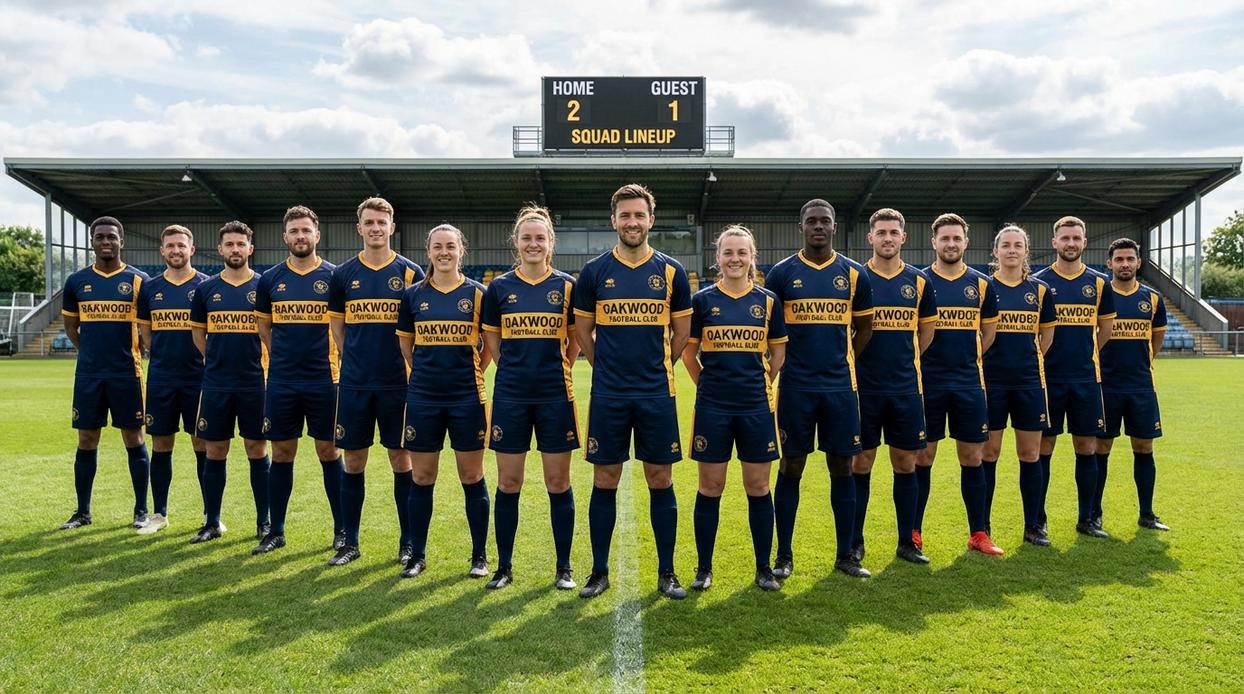
Defining True Synergy
First, let’s clarify what synergy actually means. In competitive multiplayer games, synergy isn’t just chaining flashy ultimates together. It’s the alignment of playstyles, pacing, and win conditions—the primary way your team intends to secure victory.
For example, a dive composition focuses on speed and aggression. “Dive” means rapidly collapsing onto a vulnerable target (usually a damage dealer or support) before the enemy can react. Think coordinated leap-in abilities and burst damage—high risk, high reward (like the Avengers assembling mid-fight).
By contrast, a poke composition is methodical. “Poke” refers to dealing consistent long-range damage to weaken opponents before committing. It prioritizes spacing, patience, and map pressure. Mixing these two styles often creates friction. A dive hero in a poke setup feels stranded, while a sniper in a dive squad gets left behind.
That’s why strong arena team composition starts with a shared tempo.
The Art of the Counter-Pick
Next, counter-picking means selecting a character specifically to neutralize an enemy threat. During selection, identify the opponent’s win condition. Do they rely on a stationary sniper? Pick a high-mobility flanker to pressure them. Mobility counters immobility—it’s that simple.
Some argue sticking to your “main” hero is better for consistency. Fair point. However, predictable teams are easier to dismantle.
The ‘Flex’ Player Advantage
A flex player can switch roles or characters competently mid-series. This adaptability prevents hard counters from crippling your strategy. At higher ranks, it’s non-negotiable.
Practical Application
Finally, war-game scenarios in advance. Ask: If they draft double sniper, what’s our answer? Pre-plan rotations, target focus, and positioning. Teams that prepare responses execute faster under pressure.
For deeper positioning strategies, study map control tactics that win more matches.
Preparation turns reactions into instincts.
From Chaos to Clarity: Mastering Battlefield Communication
Have you ever wondered why a mechanically skilled team still collapses in ranked? More often than not, it’s not aim—it’s comms.
Establish a Shot-Caller
Every squad needs one decisive voice for macro calls: when to push, rotate, or disengage. A shot-caller is the player responsible for big-picture decisions so five opinions don’t collide at once (too many cooks, not enough cooldowns). Some argue shared leadership feels more democratic. Fair—but in high-pressure moments, hesitation costs fights. ONE clear call beats five half-calls.
The Three C’s: Calm, Clear, Concise
If it’s not helpful, it’s noise.
Say: “Healer one, back left.”
Don’t say: “Uh, I think the healer might be kind of low over there somewhere!”
Say: “Shield down. 8 seconds.”
Don’t narrate your respawn timer unless asked.
• CALM
• Clear
• Concise
Essential Callout Categories
Focus on three things:
- Target focus: “Healer is low!”
- Enemy cooldowns: “Enemy shield ability is down!”
- Positional threats: “Flanker on our support!”
Running arena team composition without structured comms? That’s chaos.
Post-Match Review
Do you review your replays for communication breakdowns—or just missed shots? Studies on team performance show structured debriefs improve coordination over time (Salas et al., 2008). Pro tip: record voice chat and compare calls to outcomes. Clarity wins fights.
Pre-Match Ritual
The pre-match ritual separates consistent players from coin-flippers. First, optimize inputs. Dial in controller sensitivity (how fast aim moves relative to input), refine button layouts, and balance audio so footsteps cut through chaos. Pro tip: lower music before queues; clarity beats vibes.
Next, build map-specific openers. Instead of improvising, script first objective push on every map in the pool. A default reduces hesitation and sharpens arena team composition decisions.
Finally, guard mindset. Tilt—emotional frustration that degrades performance—spreads fast. Some argue passion fuels wins; in reality, communication wins rounds (think Jedi focus, not Hulk smash). Review losses, reset, re-queue.
Dominating ranked ladders from Silver queues to late-night scrims on NA East servers comes down to structure, not swagger. At its core, arena team composition succeeds when roles are locked, cooldown rotations are tracked, and comms stay crisp.
Clarity beats chaos.
- Assign a primary shot-caller for engages and resets
- Define peel responsibility before the gates drop
- Standardize callouts (“bridge stun,” “backline cracked”)
Some players argue raw mechanics win fights. Sure, aim matters (this isn’t a montage fantasy). But coordinated ult stacking and tempo swaps will outplay scattered MVPs every time. Tonight, implement one change—appoint that shot-caller—and watch win rate climb.
Dominate Your Next Multiplayer Arena Match
You came here to sharpen your edge in the arena—understanding core mechanics, refining your tactics, and optimizing your controller settings for peak performance. Now you have the insights to move smarter, react faster, and build a stronger arena team composition that actually wins fights instead of just surviving them.
The real pain point in competitive play isn’t effort—it’s inconsistency. Missed inputs, poor synergy, and split-second hesitation are what cost you matches. Mastering shock-level combat systems and tightening your team coordination eliminates those weak links and turns chaotic battles into controlled victories.
Now it’s time to act. Apply these tactics in your next session, refine your loadouts, and actively adjust your arena team composition based on matchup data—not guesswork. Players who consistently climb the ranks don’t just play more—they play smarter.
If you’re ready to stop losing close matches and start dominating your bracket, dive deeper into advanced arena breakdowns and controller optimization guides right now. The top-ranked competitors already are—don’t let them outpace you.