

You bought the Lcfgamestick thinking it’d be plug-and-play fun.
Then you turned it on.
Lag. Unresponsive controls. Games that just sit there and stare back at you.
I’ve been there. More than once.
After tinkering with several of these budget-friendly game sticks, I know which Settings Lcfgamestick changes actually move the needle.
Not the ones buried in forums with zero context.
Not the ones that break your setup entirely.
The ones that fix lag. That make controls snap. That get games running. all of them.
You’re not stuck with a $40 paperweight.
This guide walks you through every adjustment that matters.
No fluff. No guesswork.
Just clear steps. Tested. Verified.
Built for real use.
You’ll learn how to tweak what’s broken. And why each change works.
And yes, it takes less than ten minutes.
Ready to stop fighting the device and start playing?
The Single Most Important Upgrade: Your SD Card
I swapped my SD card last month. My Lcfgamestick went from sluggish to snappy overnight.
That cheap card it shipped with? It’s the problem. Not the hardware.
Not the firmware. That card.
Slow read/write speeds cause menu lag. Stuttering in games. Random freezes while loading saves.
And they fail. A lot. I’ve had three die in under a year.
One just stopped reading mid-session. No warning. Just gone.
You’re not imagining it. That’s why so many people think their device is broken.
Replace it. Today.
Use SanDisk Extreme or Samsung EVO Select. No name brands. No bargain bins.
These two work (and) last.
Get 32GB or 64GB. Anything bigger is overkill. You won’t fill it.
Clone your old card using BalenaEtcher (macOS/Windows/Linux) or Win32 Disk Imager (Windows only). Both are free. Both work.
Step one: image the original SD card to your computer. Step two: insert the new card. Step three: flash that image onto it.
Done. Boot up. It’s like a new device.
Settings Lcfgamestick stays exactly the same. No reconfiguration needed.
Pro Tip: Before you do anything, make a backup of your original SD card! They are known to fail without warning.
I keep two clones now. One in the device. One in a drawer.
Takes five minutes. Saves hours.
Don’t wait for it to crash. Do it now.
The Lcfgamestick runs better with a real SD card. Not a lottery ticket.
Fine-Tuning Performance: What Actually Works
I spent three weekends trying to get Star Fox 64 running smoothly on my LCFGAMESTICK.
It stutters. It drops frames. It looks like it’s running through wet paper.
Then I found the hidden menu.
Hold Select + X while in a game. Not before. Not after. During. (Yes, it’s dumb.
Yes, it works.)
That’s where real control lives.
Not in the main UI (which) feels like navigating a mall food court blindfolded (but) buried behind a combo no one tells you about.
Aspect Ratio? Set it to 4:3 for SNES and Genesis games. Anything wider stretches sprites like taffy.
You’ll notice it immediately. Your brain knows something’s off before your eyes do.
Video Smoothing? That’s just bilinear filtering. Turns jagged edges soft.
Good for pixel art on big TVs. Terrible for fast-paced shooters (adds) input lag. Turn it off if you’re playing Contra or Mega Man.
Keep it on for Final Fantasy VI.
Switching emulators matters more than you think.
The default PS1 core chokes on Metal Gear Solid. Try Beetle PSX HW instead. For N64?
Mupen64Plus-FZ over the stock one (better) timing, fewer crashes.
I covered this topic over in Updates Lcfgamestick.
Top 3 Settings to Tweak for Less Lag:
- Disable video smoothing for action games
- Set aspect ratio to 4:3 for pre-PS2 systems
These devices are underpowered. Let’s be honest.
No tweak will make Resident Evil 2 run at full speed on a $99 stick.
But these changes? They turn “barely playable” into “I forgot I’m not on original hardware.”
You’ll feel the difference in your thumbs before you see it on screen.
Settings Lcfgamestick aren’t buried for fun. They’re buried because someone assumed you wouldn’t care.
I cared. So do you.
Controller Lag? Let’s Fix It Now
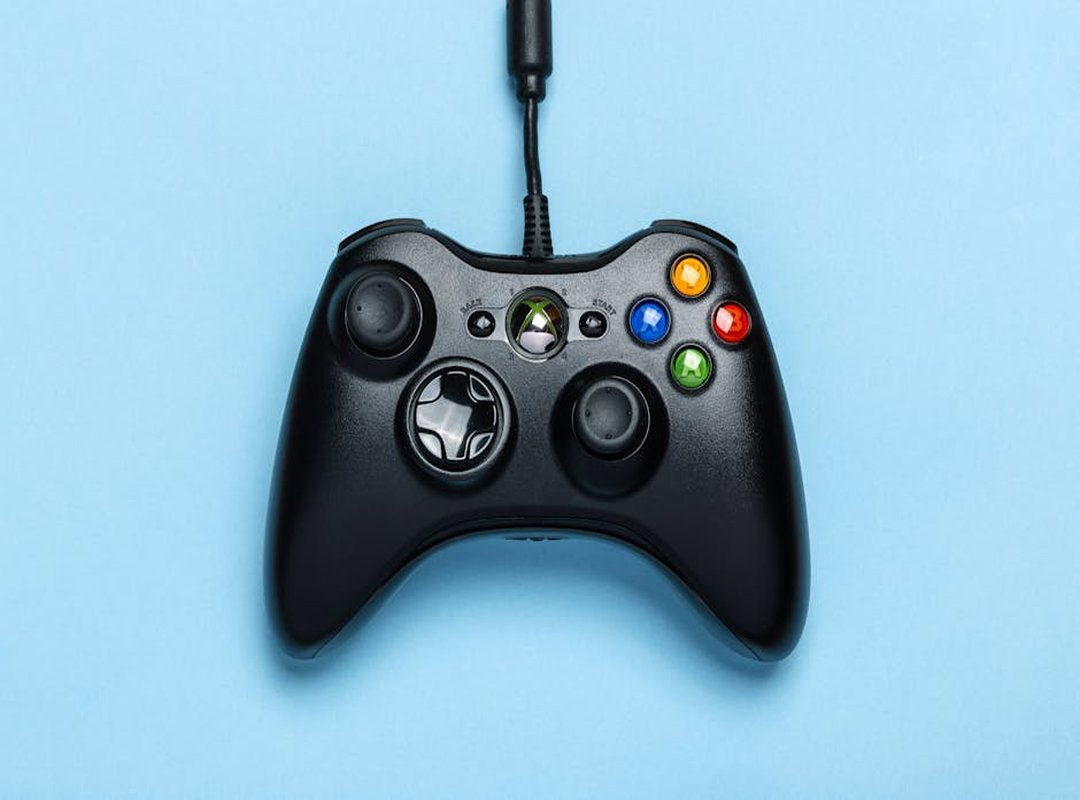
I’ve dropped a controller mid-fight because of lag. You have too.
Wireless lag isn’t magic. It’s physics and bad placement. Move your console away from the TV’s USB ports.
Those ports leak interference like a busted hose. (Yes, really.)
Turn off Bluetooth speakers, wireless keyboards, even that smart bulb near the receiver. They’re all shouting over your controller.
Use the included USB extension cable. Plug the receiver into the end of it (not) the console. Get it six inches clear of metal, concrete, or your coffee mug.
Now open the Settings Lcfgamestick menu. Hold Start + Select for three seconds. Don’t guess.
Count.
You’ll see button mapping. Go one by one. Press A.
Does the screen say A? If it says B, you’re in the swapped-button hell I warned you about.
That swap happens on half the units out of the box. It’s not broken. It’s just misconfigured.
Flip A and B in the mapping screen. Save. Test.
Done.
Wired USB controllers don’t lag. Period. Neither do good 2.4GHz sticks.
Not the $12 ones from “TechWorld,” but real ones like the 8BitDo Pro 2.
Updates Lcfgamestick sometimes fixes firmware-level timing bugs. Check it before you rage-quit.
If you’re still fighting lag after trying all this, skip the patchwork. Upgrade.
I tried three different receivers before realizing my router was the problem. Not every fix is obvious.
You don’t need ten tools. You need one working controller.
And a little patience. (Mostly patience.)
Curating Your Game Library: Add, Remove, Repeat
I plug in the SD card reader. You do the same.
It’s not magic. It’s just a card. And your computer sees it like any other drive.
Open it. Look for the roms folder. That’s where everything lives.
Inside roms, you’ll see folders like snes, gba, psx. One per console. No surprises.
To add a game? Drag the ROM file into the right folder. .smc goes in snes. .gba goes in gba. .bin or .cue? That’s psx.
Get the extension wrong and it won’t load. I’ve done it. You’ll waste ten minutes wondering why Mario looks like static.
To remove a game? Highlight it. Hit delete.
Done.
Don’t touch anything outside roms. Not boot, not system, not config. Those aren’t yours to mess with.
Delete one and your stick might not boot. (Yes, I learned that the hard way.)
ROMs are legally gray. So here’s my rule: only copy games you own. Physical cartridge.
Original disc. If you don’t have it in your closet, don’t put it on the stick.
You can tweak how games launch in Settings Lcfgamestick, but that’s optional. Stick to the basics first.
Want more control over performance or video output? Check out Upgrades lcfgamestick. Some upgrades change how fast games load (others) fix audio sync.
Not all sticks need them. Yours might.
Start simple. Add one game. Boot it.
Celebrate when it works.
Then go wild.
Game Stick? More Like Frustration Stick
I’ve held that thing in my hands. Felt the lag. Watched it freeze mid-game.
Cursed at the SD card error again.
It’s not supposed to be this hard.
You bought it for fun (not) firmware headaches.
The fix isn’t magic. It’s one physical swap and a few quick Settings Lcfgamestick tweaks.
Most people waste hours chasing software ghosts. The real problem? That cheap SD card.
Always is.
Swap it first. Everything else gets easier.
You’ll feel the difference the second you boot up.
No more buffering. No more reboots. Just pick up and play.
That’s what retro gaming should be.
Grab a reliable SD card this week. Follow the steps. Play today.
Your turn.